Countries Index
Countries A to Z
Sovereign States
Dependent Areas
Countries by Area
Country Population
Island Countries
Countries of the Islamic World
Third World
First, Second, Third World Countries
Human Development by Country
Countries by Corruption
Countries and Press Freedom
Country Flags
Currencies



Map of the Balkan Peninsula, Southern Europe
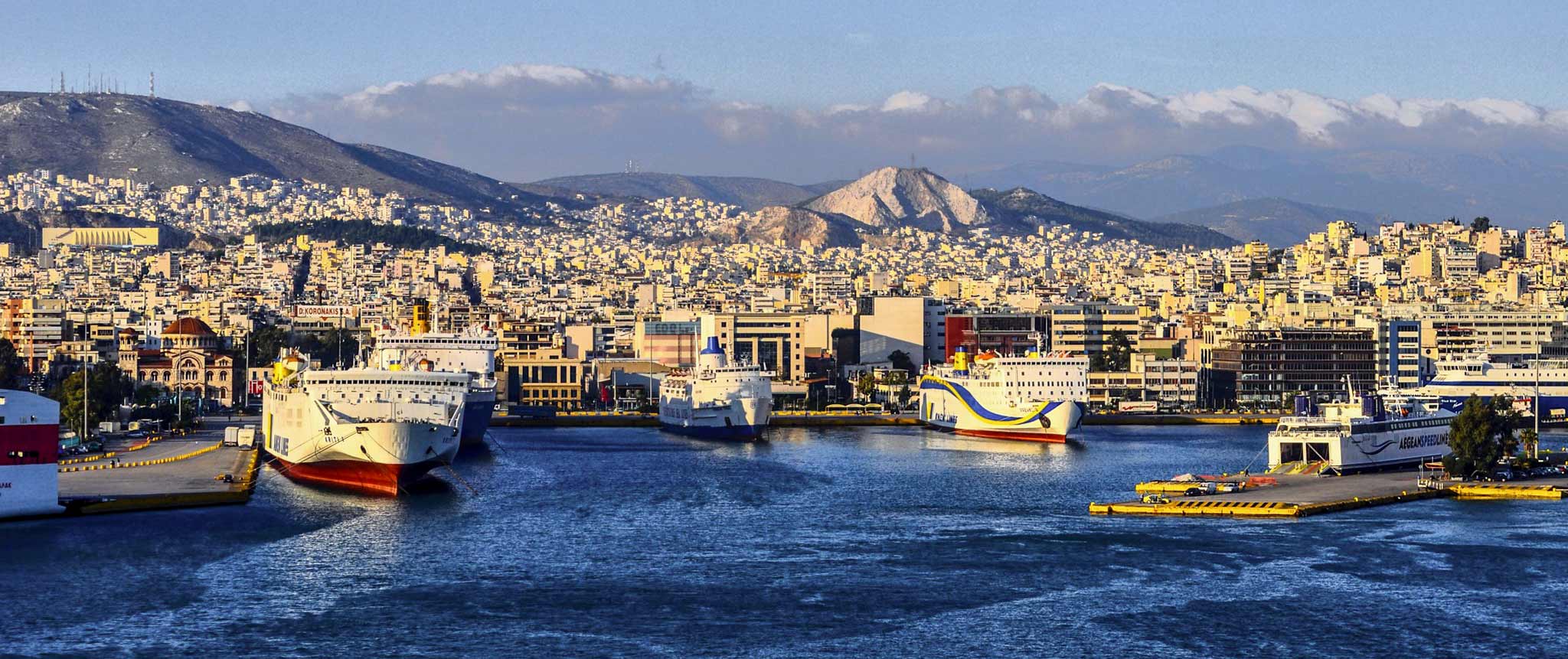
Various ships in the port of Piraeus in Greece, one of the largest ports in the Mediterranean.
Image: Jeffrey
About the Balkan Peninsula
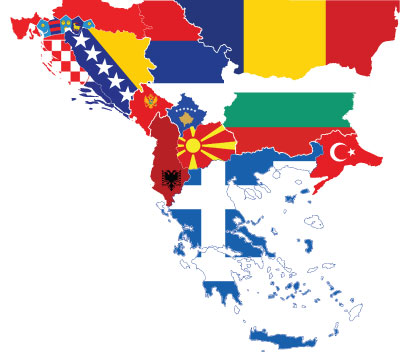
The principle countries in the Balkans are Albania, Bosnia and Herzegovina, Bulgaria, Croatia (up to the Sava and Kupa rivers), mainland Greece, Kosovo, Montenegro, North Macedonia, parts of Romania south of the Danube, Serbia (up to the Danube river), and East Thrace in Turkey.
Map of the Balkans and the Balkan Peninsula
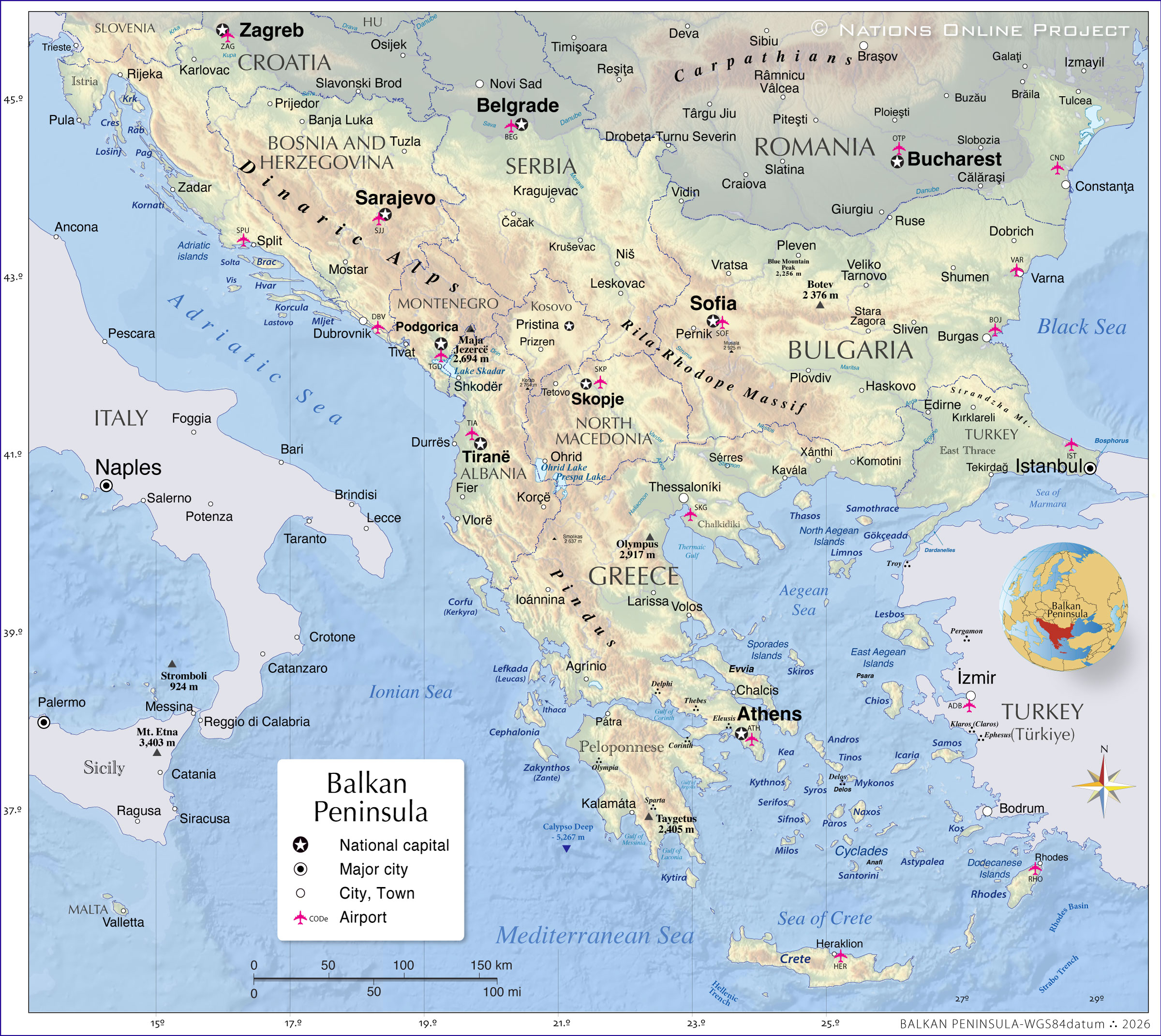 Map of the Balkan Peninsula
The map shows the topography of the Balkan Peninsula with countries, international borders, the national capitals, major cities, and the main airports in the Balkans.
 You are free to use the above map for educational and similar purposes; if you publish it online or in print, you need to credit the Nations Online Project as the source.
Map of the Balkan PeninsulaThe map shows the topography of the Balkan Peninsula with countries, international borders, the national capitals, major cities, and the main airports in the Balkans.
You are free to use the above map for educational and similar purposes; if you publish it online or in print, you need to credit the Nations Online Project as the source.More about the Balkans
The history of the Balkan Peninsula is a complex tapestry of ancient civilizations, the rise and fall of major empires, and intense modern conflicts driven by nationalism..jpg "Mediterranean Sea from Crete.")
Countries of the Balkans
Balkan Peninsula
The peninsula is bounded by the Adriatic and Ionian Seas in the west, the Mediterranean Sea and Sea of Crete in the south, the Aegean Sea in the east, and the Sea of Marmara in the southeast, which links the Mediterranean with the Black Sea.The peninsula includes parts of Croatia, Serbia, and Romania, and the entirety of Bosnia and Herzegovina, Montenegro, Kosovo, Bulgaria, Albania, North Macedonia, and Greece.
Its northern boundary is commonly traced along the Sava and Danube rivers.
A small portion of Turkey lies on the peninsula in its southeastern part, known as East Thrace. The western part of Istanbul, Turkey's largest city, sits on the Çatalca Peninsula — the same strategic location where Byzantium and later Constantinople were founded, at the entrance to the Bosporus Strait, which connects the Mediterranean Sea with the Black Sea.
Balkan Peninsula — Micro-Timeline
- c. 700,000 BCE – First human presence (Lower Paleolithic).
- 6500–4000 BCE – Neolithic cultures: Starčevo, Vinča, Cucuteni.
- 4600–4200 BCE – Varna culture produces the world's oldest known gold treasure.
- c. 2000–1200 BCE – Proto-Greek migrations.
- 800–323 BCE – Greek Archaic & Classical periods.
- 336–323 BCE – Macedonian expansion under Alexander the Great.
- 2nd c. BCE – 1st c. CE – Roman conquest.
- 4th–7th c. CE – Christianization and Slavic migrations.
- 14th–15th c. – Ottoman conquest.
- 19th–20th c. – Nation-states, wars, Yugoslavia's breakup.
Area
The land area of the Balkan Peninsula is about 470,000 km² (181,000 sq mi), larger than California and slightly smaller than Spain.Population
The Balkan Peninsula has a population of over 75 million people. Romania is the most populous state; Montenegro the least.The region is home to a variety of ethnic groups, including Albanians, Greeks, Bulgarians, Serbs, Croats, Bosniaks, Macedonians, Montenegrins, Romanians, Aromanians, Roma, and Turks, along with several smaller communities that reflect centuries of cultural overlap.
Languages
The Balkans is linguistically diverse, with Albanian, Greek, Balkan Romance (Romanian, Aromanian), and Balkan Slavic (Bulgarian, Macedonian, and southern Serbo-Croatian dialects).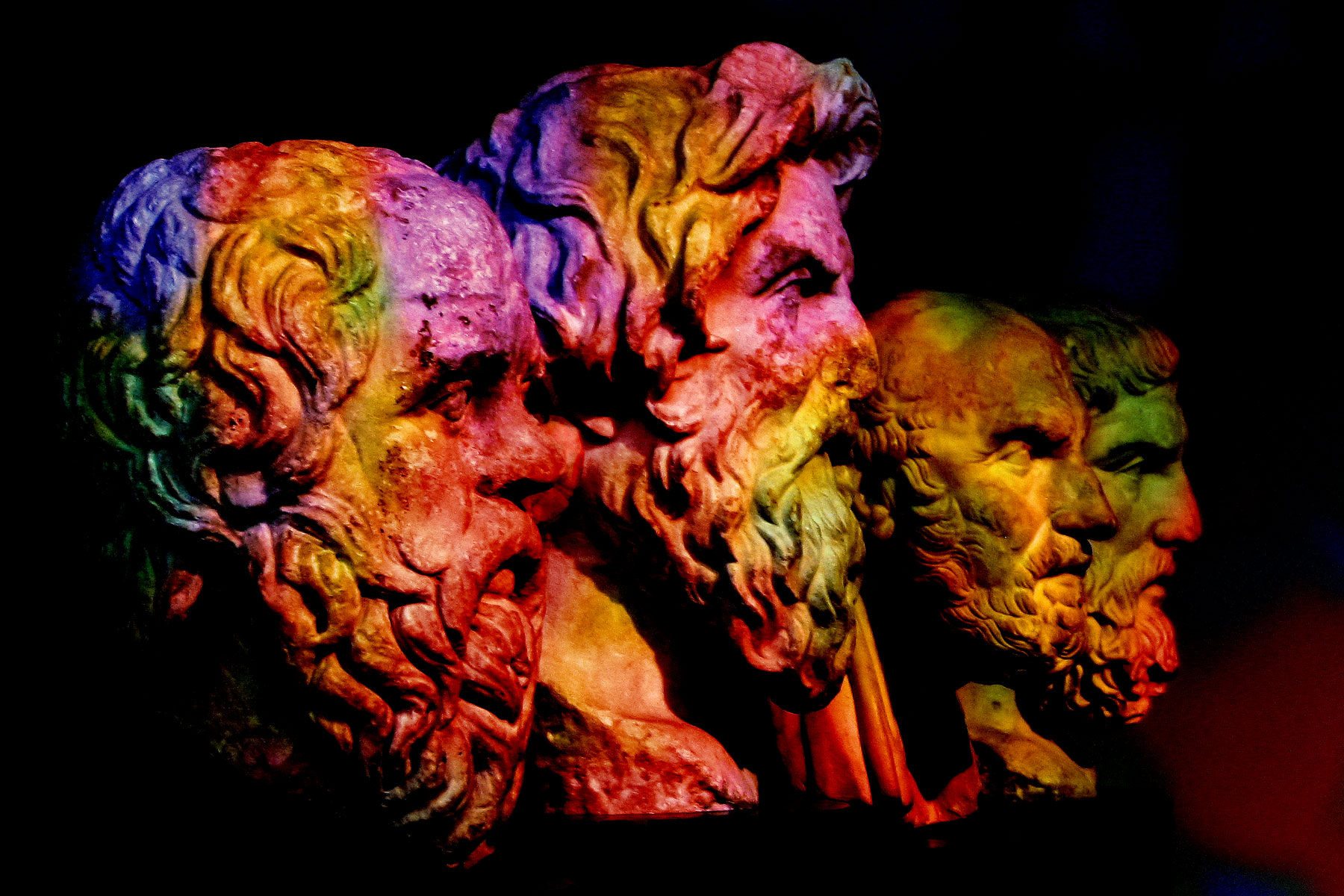
Carved busts of four ancient Greek philosophers, on display in the British Museum.
From left to right:
Socrates: "The only true wisdom is in knowing you know nothing."
Antisthenes: "I would rather go mad than feel pleasure without understanding."
Chrysippus: "Fate leads the willing and drags the unwilling."
Epicurus: "Nothing is enough for the man to whom enough is too little."
Image: Cristian Bortes - artwork by kk.
Prehistoric Cultures
The Balkans have been permanently inhabited since the Paleolithic era. Key Neolithic cultures included the Starcevo, Vinča, and Cucuteni, with the Varna culture producing the world's oldest known gold treasure around 4600–4200 BCE.Ancient Greek culture was established in the southern Balkan peninsula with the arrival of the Proto-Greeks at the end of the 3rd millennium BCE, and it became dominant throughout the southern Balkans during the Archaic (800–480 BCE) and Classical (480–323 BCE) periods, reaching its peak of influence by the end of the 4th century BCE.
Ancient Greek literature and philosophy are foundational to Western civilization. Figures like Homer, Plato, Aristotle, Sophocles, and Aeschylus providing enduring models for storytelling, critical thinking, and systematic understanding of the world.
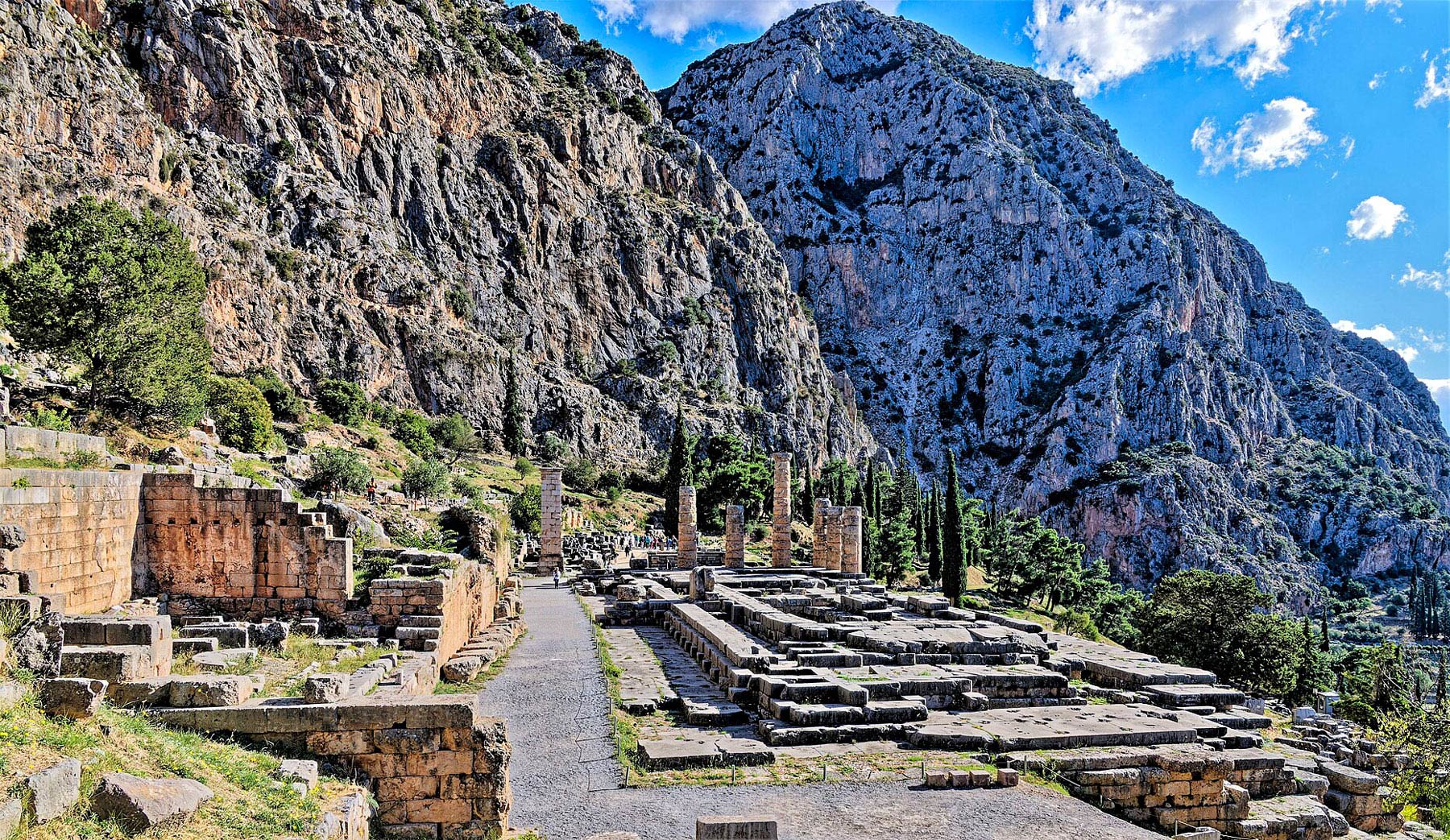
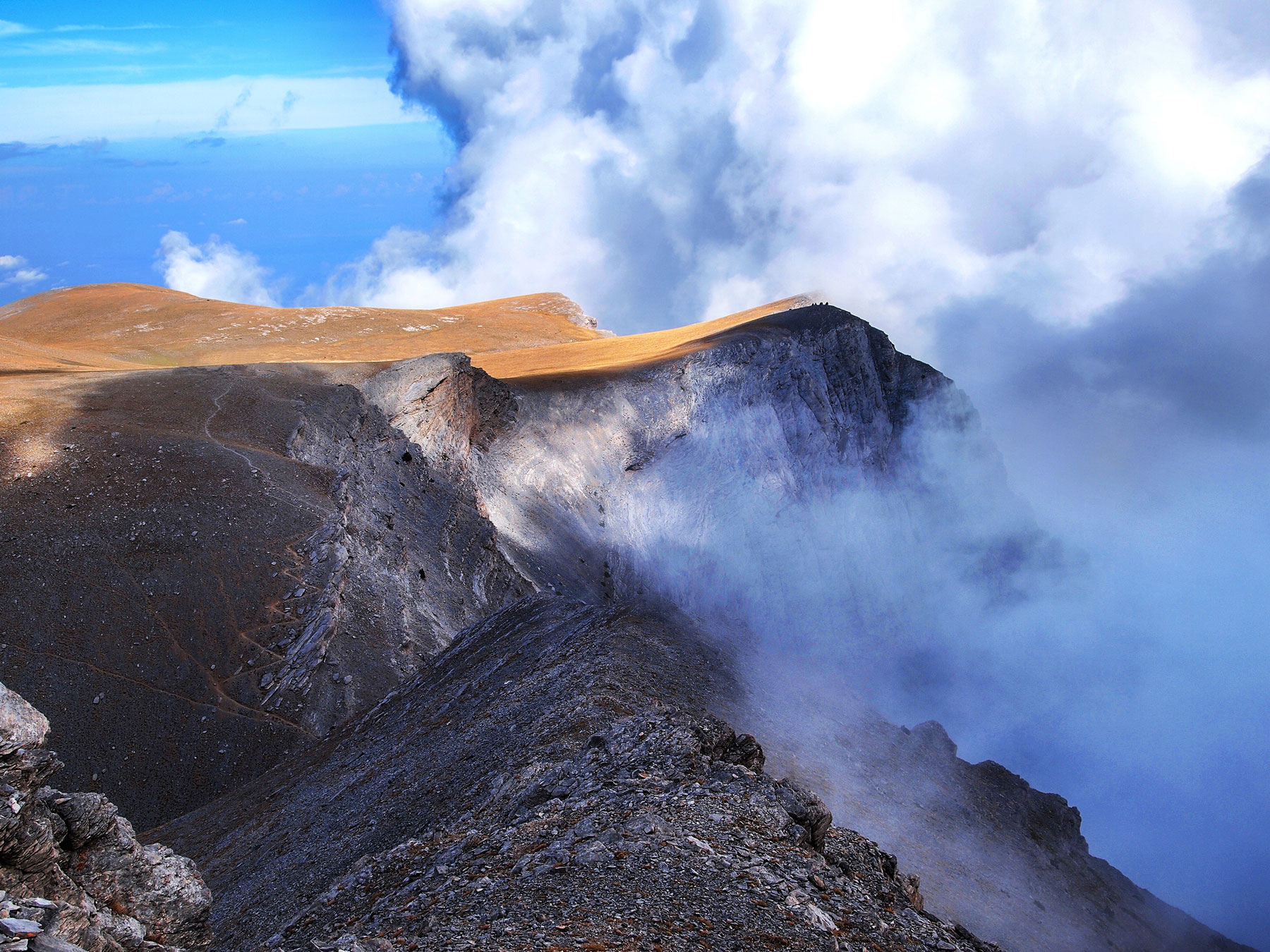
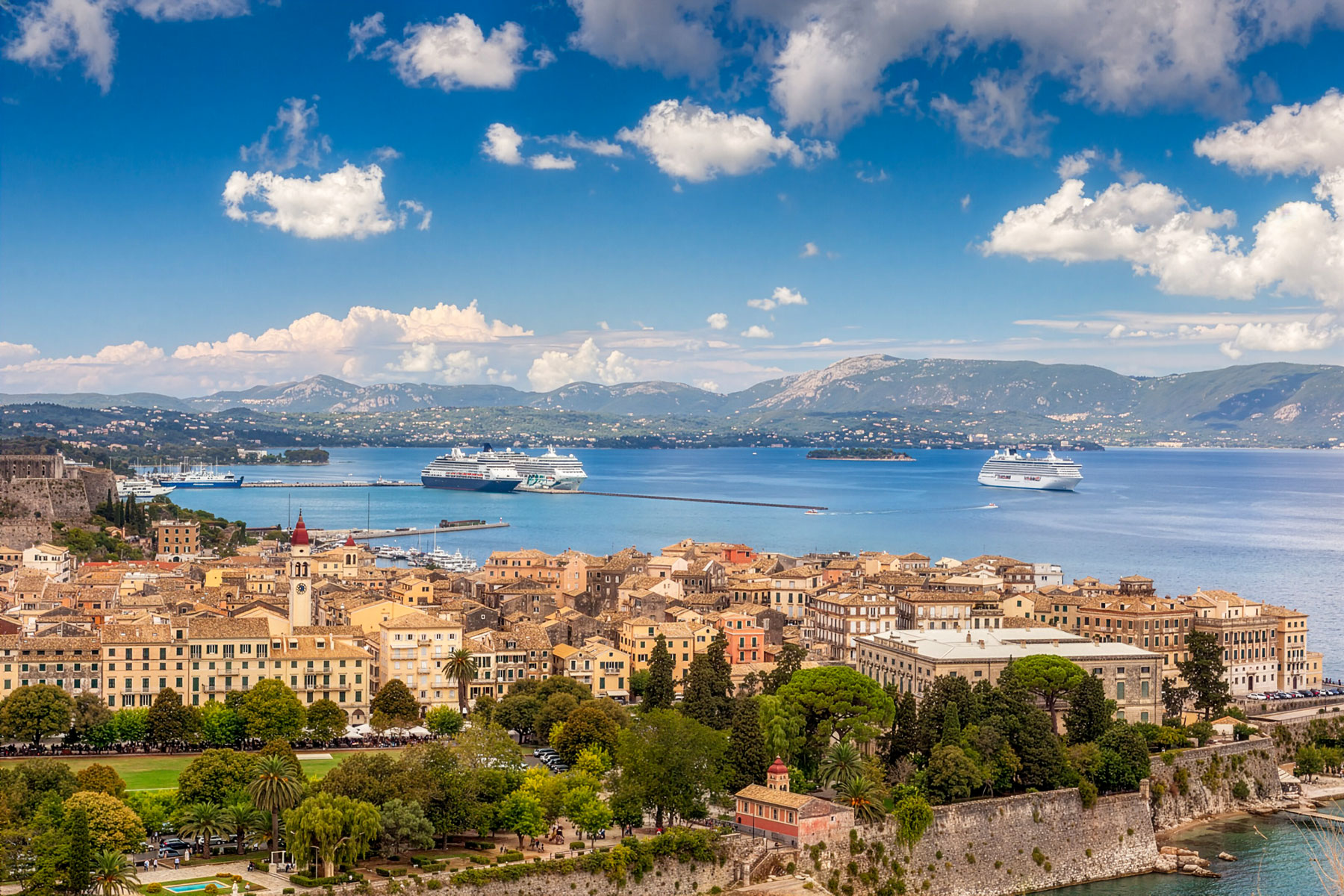
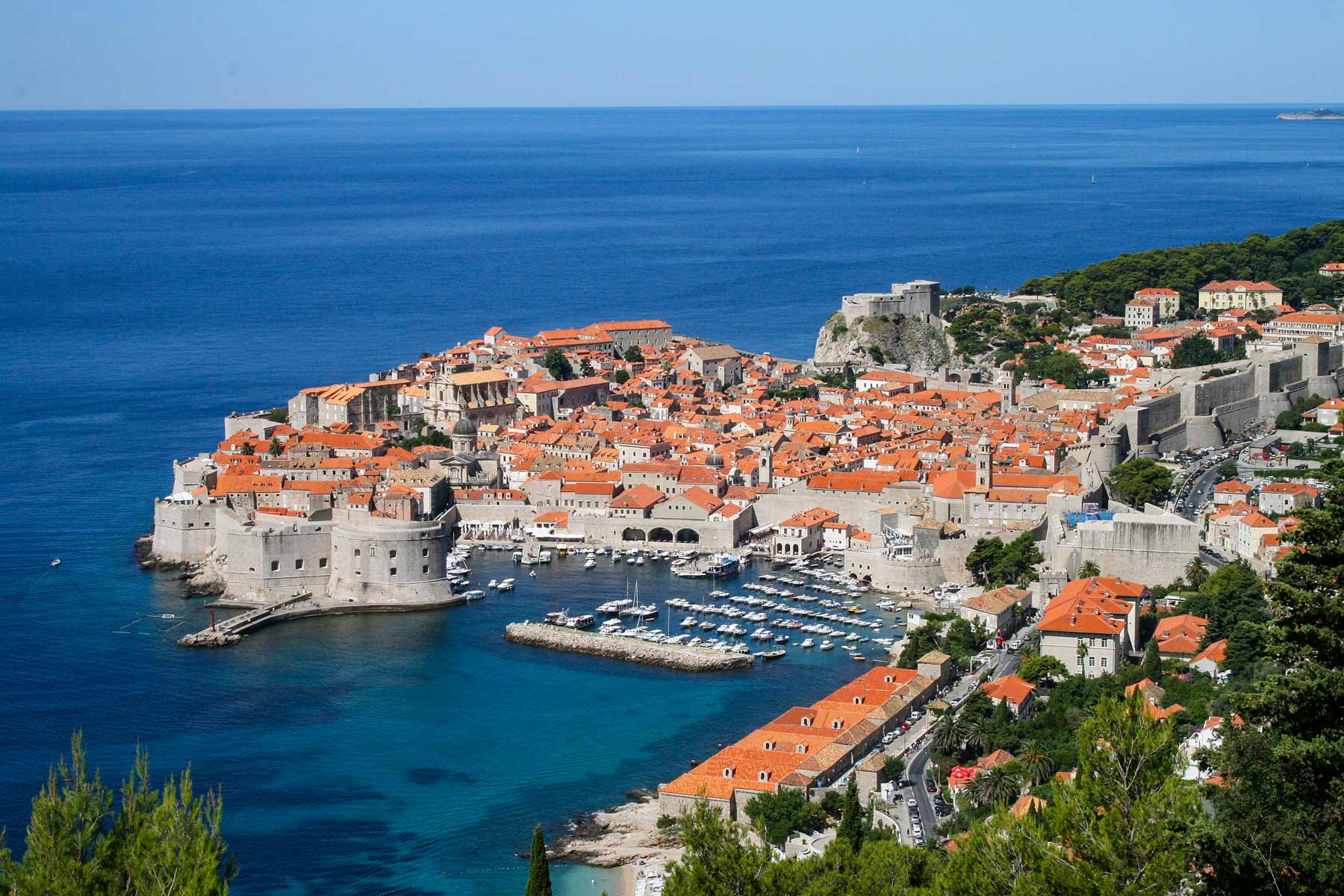
 is a UNESCO World Heritage Site.
 Balkan Peninsula Photo Gallery