More about Europe
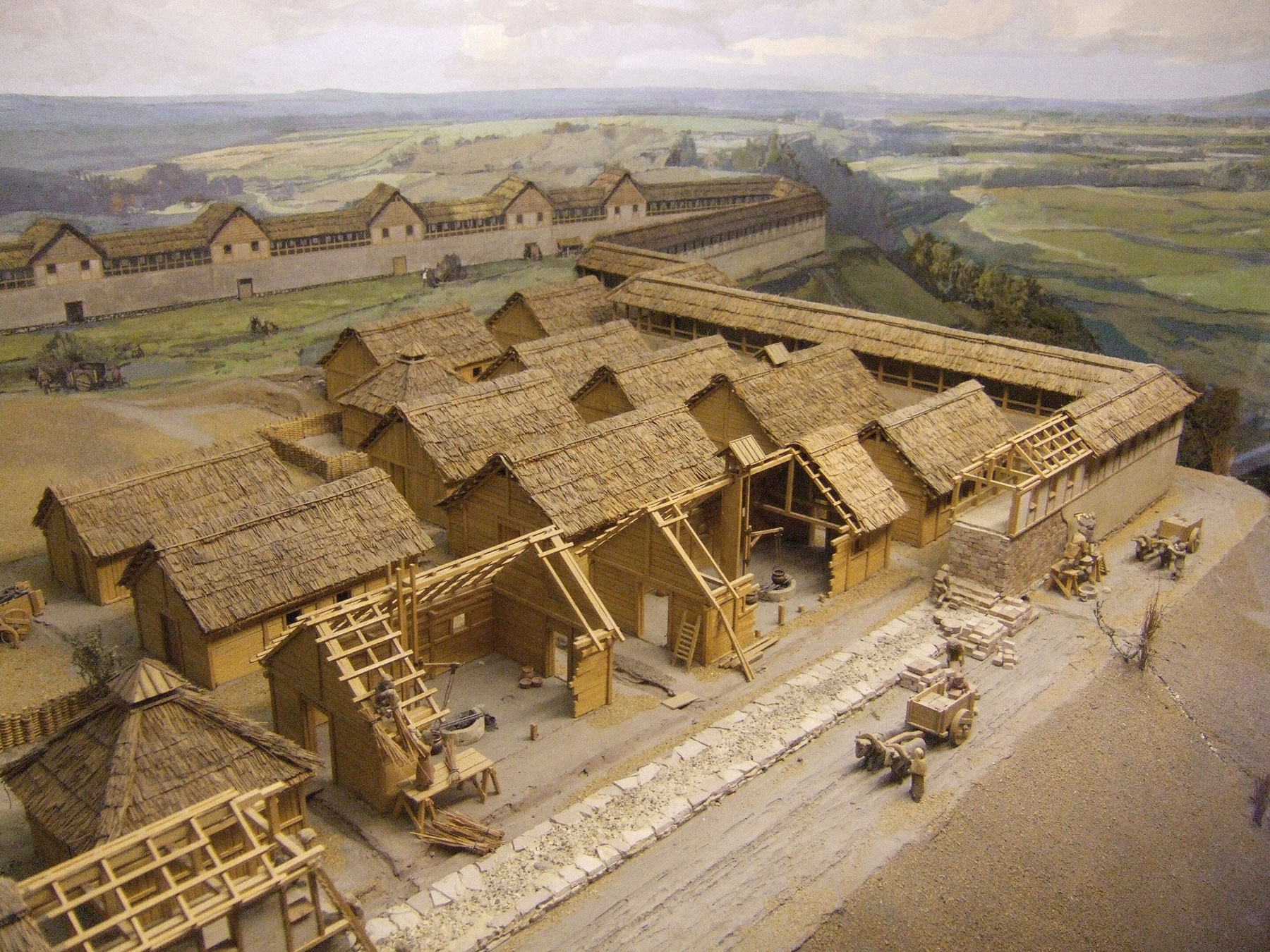
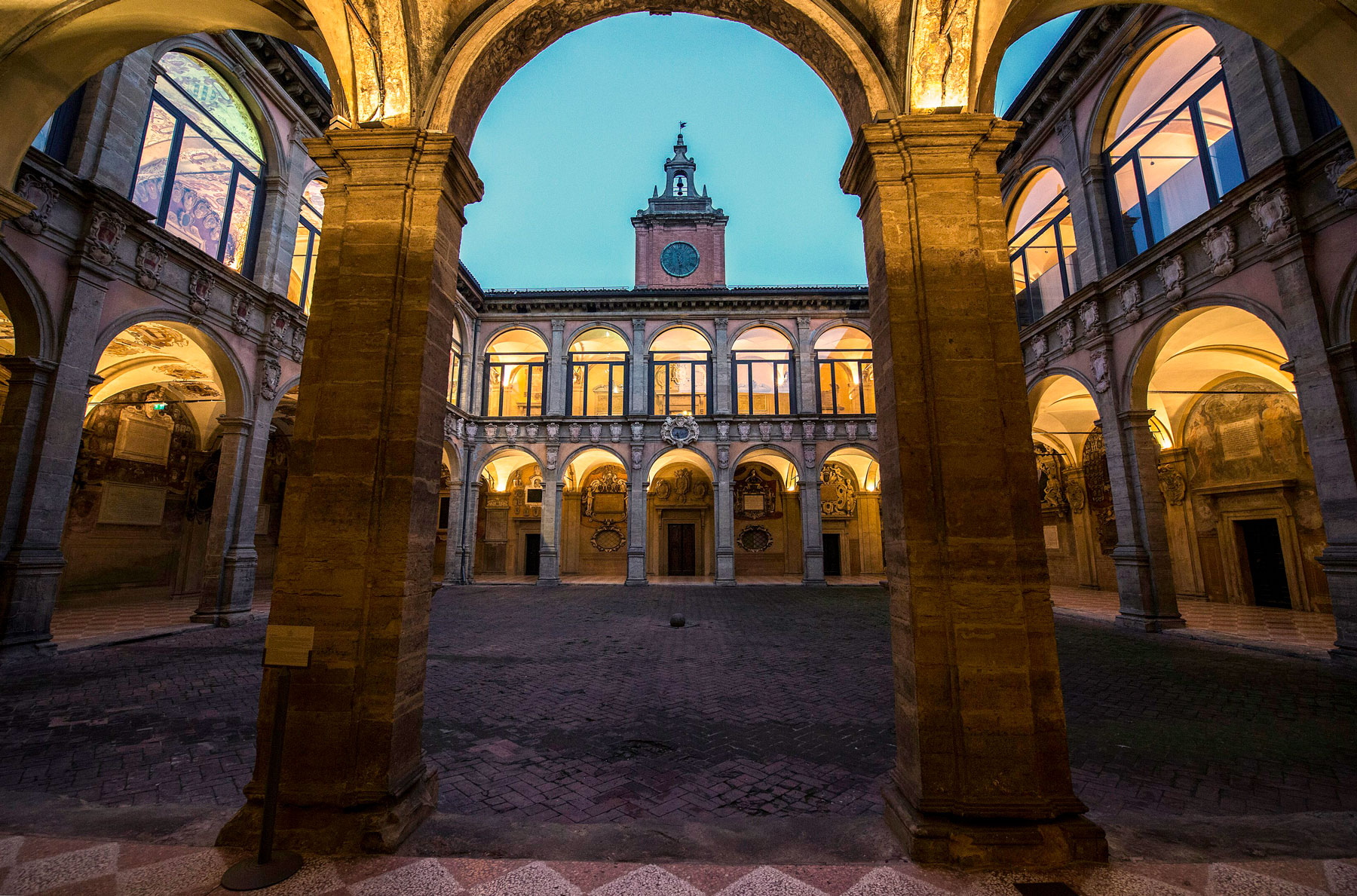
 The pile dwellings in Unteruhldingen are reconstructions of Stone and Bronze Age settlements, originally built on marshy land on Lake Constance. The pile dwellings are Germany's oldest open-air museum. The Prehistoric Pile Dwellings around the Alps are a UNESCO World Heritage site.
Photo: qwesy qwesy
The pile dwellings in Unteruhldingen are reconstructions of Stone and Bronze Age settlements, originally built on marshy land on Lake Constance. The pile dwellings are Germany's oldest open-air museum. The Prehistoric Pile Dwellings around the Alps are a UNESCO World Heritage site.
Photo: qwesy qwesy
History, geography, and culture of Europe.
Europe is known as the Cradle of Western civilization. The spread of
Christianity throughout the continent, particularly after the fall of the
Western Roman Empire, and the subsequent development of feudal societies contributed to the formation of modern European nations and their unique cultural paths.
Pre-modern humans appear in Europe around 1.2–1.4 million years ago. The Neanderthals evolve from earlier hominins in Europe around 400,000 years ago. For more than 360,000 years they dominate most of Europe until they disapear about 40,000 years ago.
Long before the first cities were built in Mesopotamia or on the Nile, there were already large and highly developed communities in
Old Europe.
Between 5000 and 3500 BCE, the
Cucuteni–Trypillia settlements in today's Ukraine and Romania, the
Vinča culture in the Balkans, and the
Varna culture by the
Black Sea developed metallurgy, weaving, and symbols that some see as early writing. Their vast villages, sometimes holding tens of thousands of people, rivaled the size of Mesopotamia's first towns. These early cultures set the stage for the civilizations that followed.
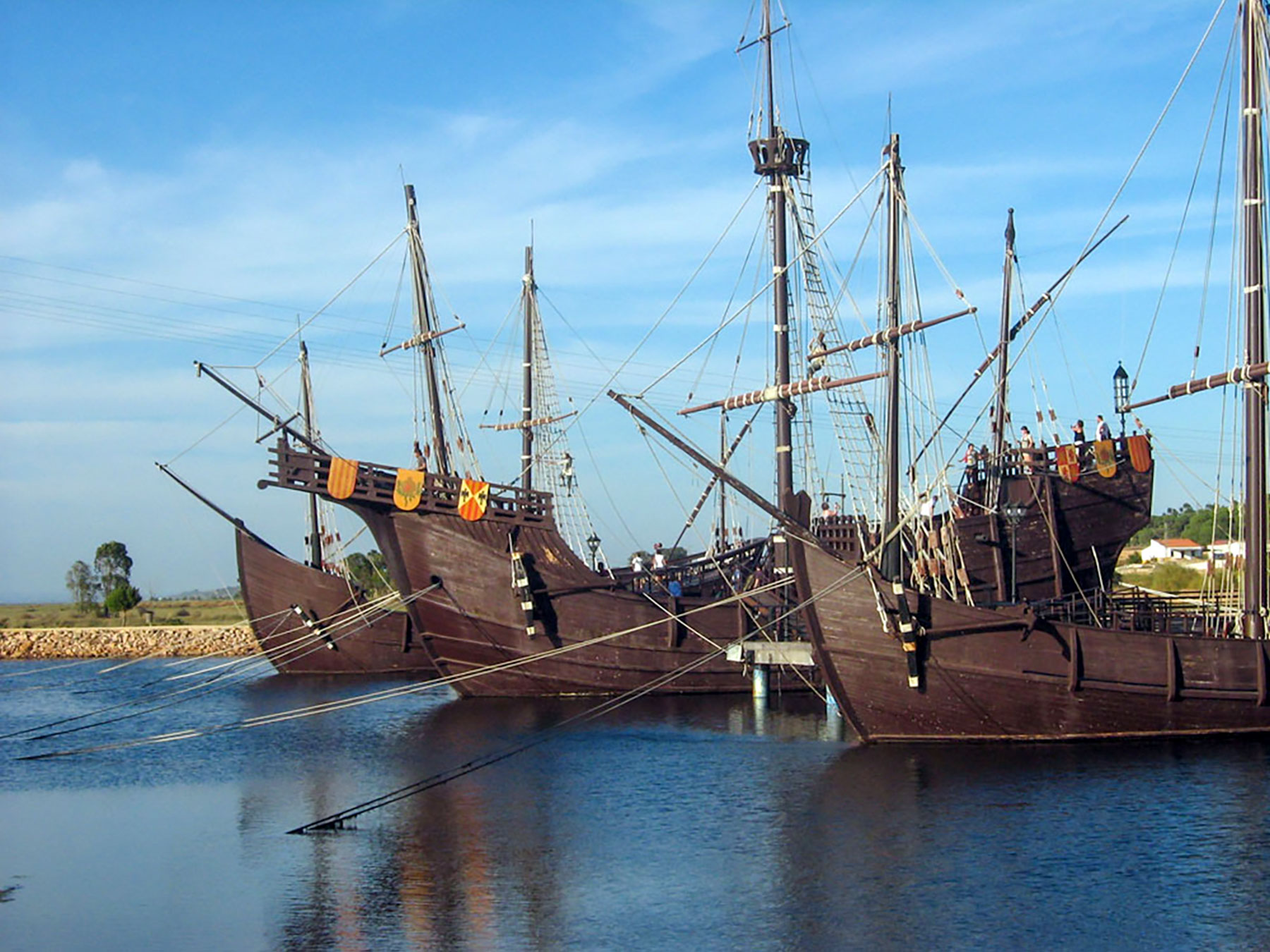 The Wharf of the Caravels, a museum in Palos de la Frontera in Andalusia, Spain shows Replica of the three ships that participated in Christopher Columbus' first voyage, the Pinta, Niña, and Santa María.
Photo: Edward the Confessor
Early permanent settlements in ancient Europe emerged more than 7,000 years ago in the Aegean and the Balkans.
Around
year zero, Rome dominated most of Europe's Mediterranean and western territories. The Roman Empire was the last continental power before the
Middle Ages splintered the territory into tiny, scattered realms.
These fragmented feudal territories gradually gave way to consolidated powers such as the
House of Tudor, the
House of Bourbon, and the
Habsburgs, dynasties that expanded their realms through war, diplomacy, and marriage.
In the 15th to 17th centuries, during the
Age of Exploration, the
Kingdoms of Portugal and Spain emerged as maritime superpowers, leading the exploration of
Africa,
Asia, and the '
New World.'
Columbus's 1492 voyage for Spain marked the start of Europe's global maritime expansion.
The absolute power of the monarchies of that time seemed eternal, but the French Revolution (1789) changed Europe's political destiny—gradually. After 1789, the dominance of absolute empires declined."
World War I, the Great War (28 July 1914 – 11 November 1918), was still largely a conflict between Europe's remaining monarchies.
World War II, the Second World War (1939–1945), was fundamentally a war of ideologies: Fascism (Germany, Italy), militaristic imperialism (Japan), Communism (USSR), and liberal democracies or constitutional monarchies (UK and others).
The Idea of a United Europe
 Burg Eltz (Eltz Castle), a medieval castle in the hills above the Moselle River, 35 km southwest of Koblenz in Germany. The castle was built in the 12th century, it has been home to the same family for more than 850 years.
Photo: FrDr
After two devastating world wars, the vision of a peaceful, united Europe began to take shape. Europe has long carried the dream of unity. Ancient writers like
Herodotus and
Strabo already described Europe as a distinct cultural space. The
Romans brought political unity to much of the continent, and later,
Christianity provided a shared religious framework. After centuries of shifting borders, wars, and rivalries, the vision of a peaceful, united Europe re-emerged in the 20th century, leading to today's
European Union, where 27 states share laws, markets, and values.
🌍 Geography of Europe
Europe, the second smallest continent, is defined as much by its cultural history as by its physical outline. Its boundaries are the
Arctic Ocean to the north, the
North Atlantic to the west, and the
Mediterranean and
Black Seas to the south. The
Ural Mountains and
Caucasus define its conventional border with Asia to the east.
Peninsula of Peninsulas
Europe is sometimes called the "
Peninsula of Peninsulas," for its main landmass is itself a large peninsula, extending westward from the
Eurasian supercontinent and, it has its own promontories, the
Iberian,
Italian,
Scandinavian, and
Balkan Peninsulas.
 Area
Area
Covering about 10 million square kilometers (3.9 million sq mi), the continent's landscapes range from fertile plains and winding rivers to high mountain chains like the Alps and the Carpathians. This varied geography has shaped the course of European history, influencing where people settled, how they traded, and the cultures that emerged.




 a unique supranational political and economic union.
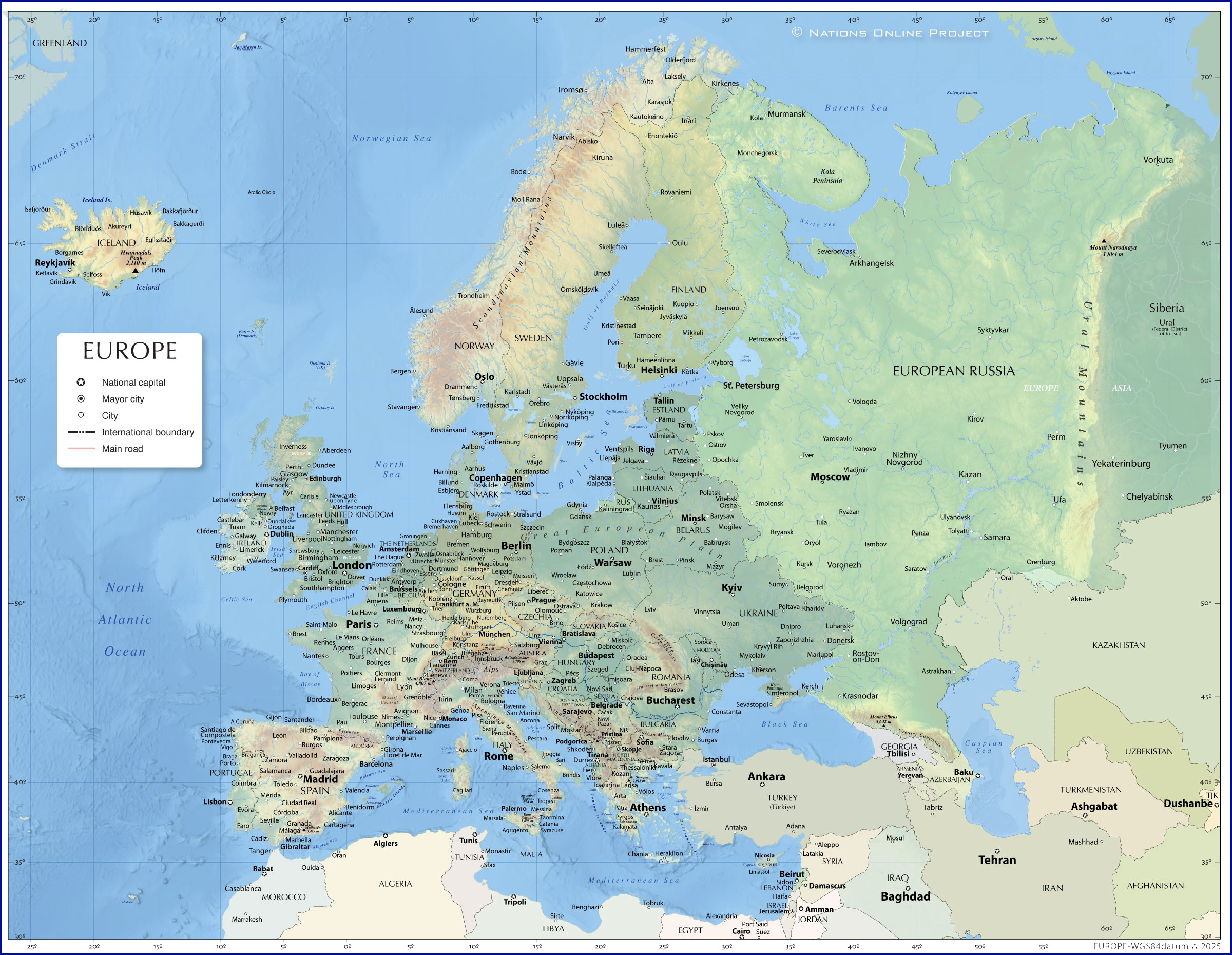 General Map of Europe
 You are free to use the above map for educational and similar purposes; if you publish it online or in print, you need to credit the Nations Online Project as the source.

 Europe Photo Gallery