Rivers
Major rivers in Panama are
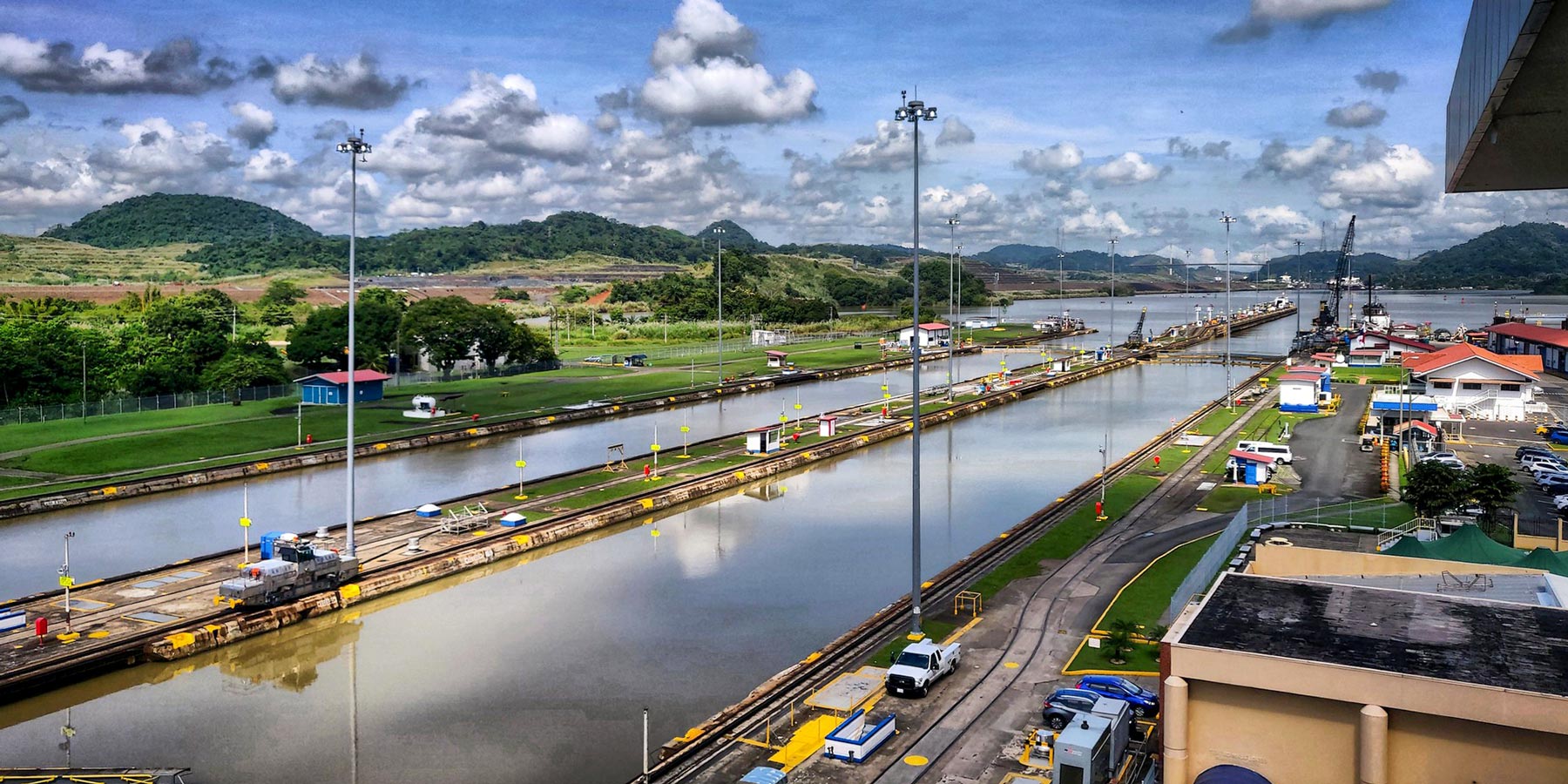
 The Río Chagres is a vital river in central Panama that forms the backbone of the Panama Canal water system, supplying water to operate the locks and for Panama City's water supply.
Photo: Victor
The Río Chagres is a vital river in central Panama that forms the backbone of the Panama Canal water system, supplying water to operate the locks and for Panama City's water supply.
Photo: Victor
Río Balsas is a short river on Panama's Pacific side, which flows through hilly terrain into the Gulf of Panama. Locally important for fishing and small agriculture.
Río Chagres
The Río Chagres is Panama's most important river for the operation of the Panama Canal. Rising in the
Cordillera Central, it flows about 193 km (120 mi) northward to the Caribbean Sea near Colón. At Gamboa, the river meets the canal, forming part of its central waterway. The construction of the
Gatún Dam in 1913 created
Gatún Lake, then
the world's largest artificial lake, essential for canal traffic. Today the Chagres continues to supply water for the locks, for Panama City, and for surrounding communities, making it one of the most strategic rivers in the Americas.
Río Changuinola
Changuinola River is Panama's powerhouse in the northwest. It rises in the
Cordillera Central mountains, flows across
Bocas del Toro province, and empties into the
Caribbean Sea. Several major hydroelectric facilities exploit the kinetic energy of the stream that also serves as a transport route into the
Ngäbe-Buglé Comarca highlands. Its fertile river banks near the mouth are lined with extensive banana plantations.
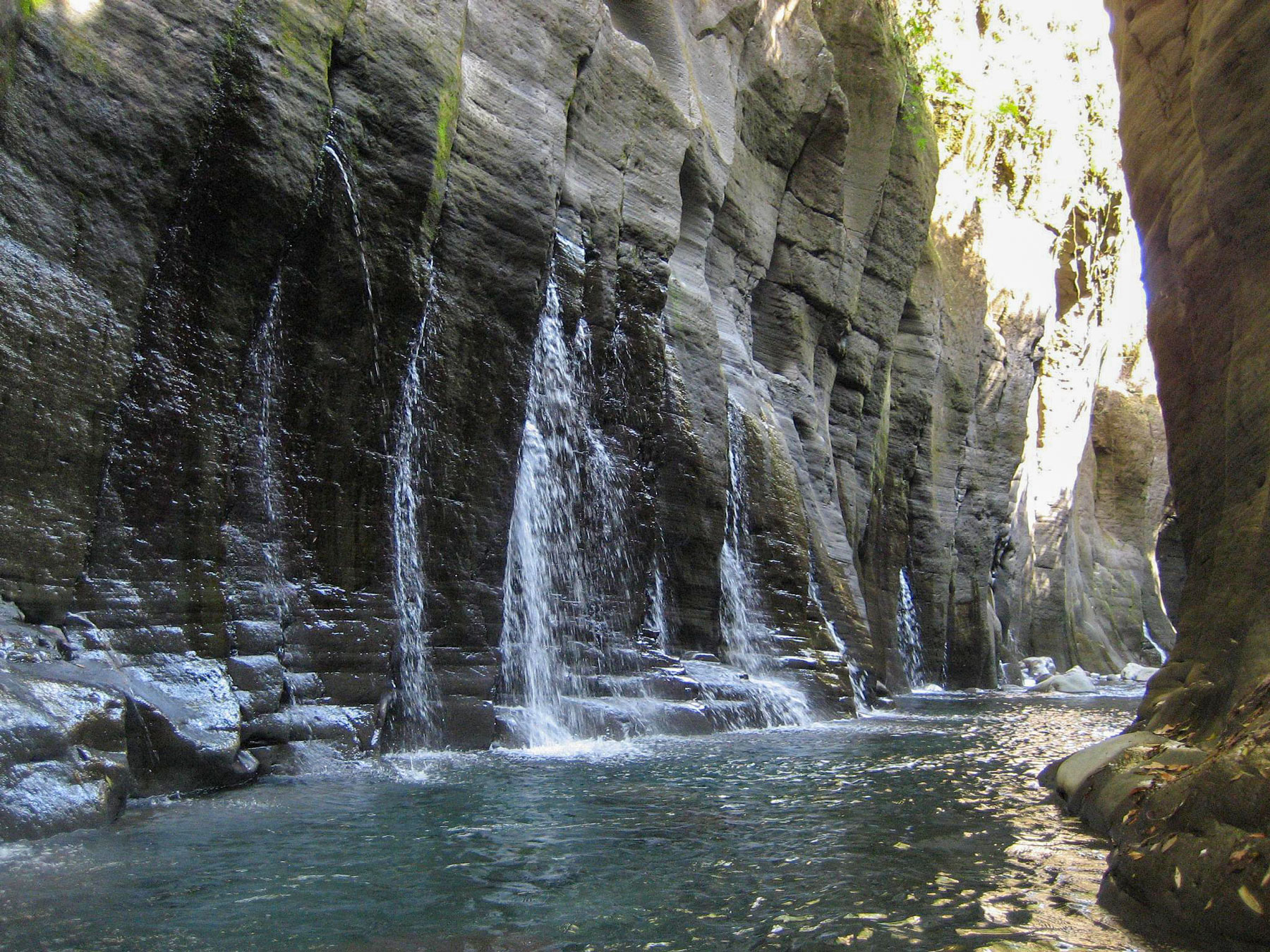 The Macho de Monte is a slot canyon located in the Chiriquí province of Panama.
Photo: chuck holton
The Macho de Monte is a slot canyon located in the Chiriquí province of Panama.
Photo: chuck holton
The Río Chepo, also called Río Bayano, is one of Panama's longest rivers. It flows for about 206 km (128 mi) from the
Darién foothills to the Pacific coast east of
Panama City. In the 1970s, Panama created with the
Bayano Dam one of the country's largest reservoirs, the
Bayano Lake. The construction of the dam flooded forests, displaced villages, and reshaped a large area in the region. Today more than ever, the river and its reservoir are of central importance for the country's hydropower and its water-hungry capital region, which is increasingly stressed by droughts, low rainfall, and growing demand to run the Panama Canal.
Río Chucunaque
The Río Chucunaque is the longest river in Panama. It flows for about 231 km (143 mi) through the dense forests of
Darién Province before joining the
Tuira River on its way to the Pacific. The river is the main transport artery of the
Darién Gap, a region without roads where dugout canoes and small boats replace cars and buses. Along its banks lie scattered Emberá and Wounaan villages, sustained by fishing, farming, and the forest. The Chucunaque floods often, bringing both fertile soils and
destructive damage. Today, like other rivers in Panama, it faces growing pressure from deforestation, changing rainfall, and the challenges of balancing development with the fragile ecosystem of the Darién.
Río Indio
Río Indio is a modest river on Panama's Caribbean slope, feeding villages and sustaining indigenous communities. Long ago its valley was studied as a possible route for a
second canal. Today, the
Río Indio reservoir project is a proposed infrastructure initiative by the
Panama Canal Authority
(ACP) to build a new reservoir on Panama's Indio River to ensure a stable water supply for the Panama Canal amidst increasingly severe droughts.
Río San Pablo
The Río San Pablo runs from the
Tabasará mountains for over 80 km (50 mi) through Veraguas Province to the
Gulf of Montijo on the Pacific coast. The river's fertile valley supports small towns and farms and is vital to the local daily life and agriculture.
Río Santa María
The 150-kilometer-long Río Santa María flows through the province of
Veraguas into the
Pacific. Its fertile valley is a protected area and one of Panama's main breadbaskets. The river supplies water to rice fields, sugar cane plantations, and cattle farms. In colonial times
Spanish settlers followed the river inland, founding towns and churches along its banks.



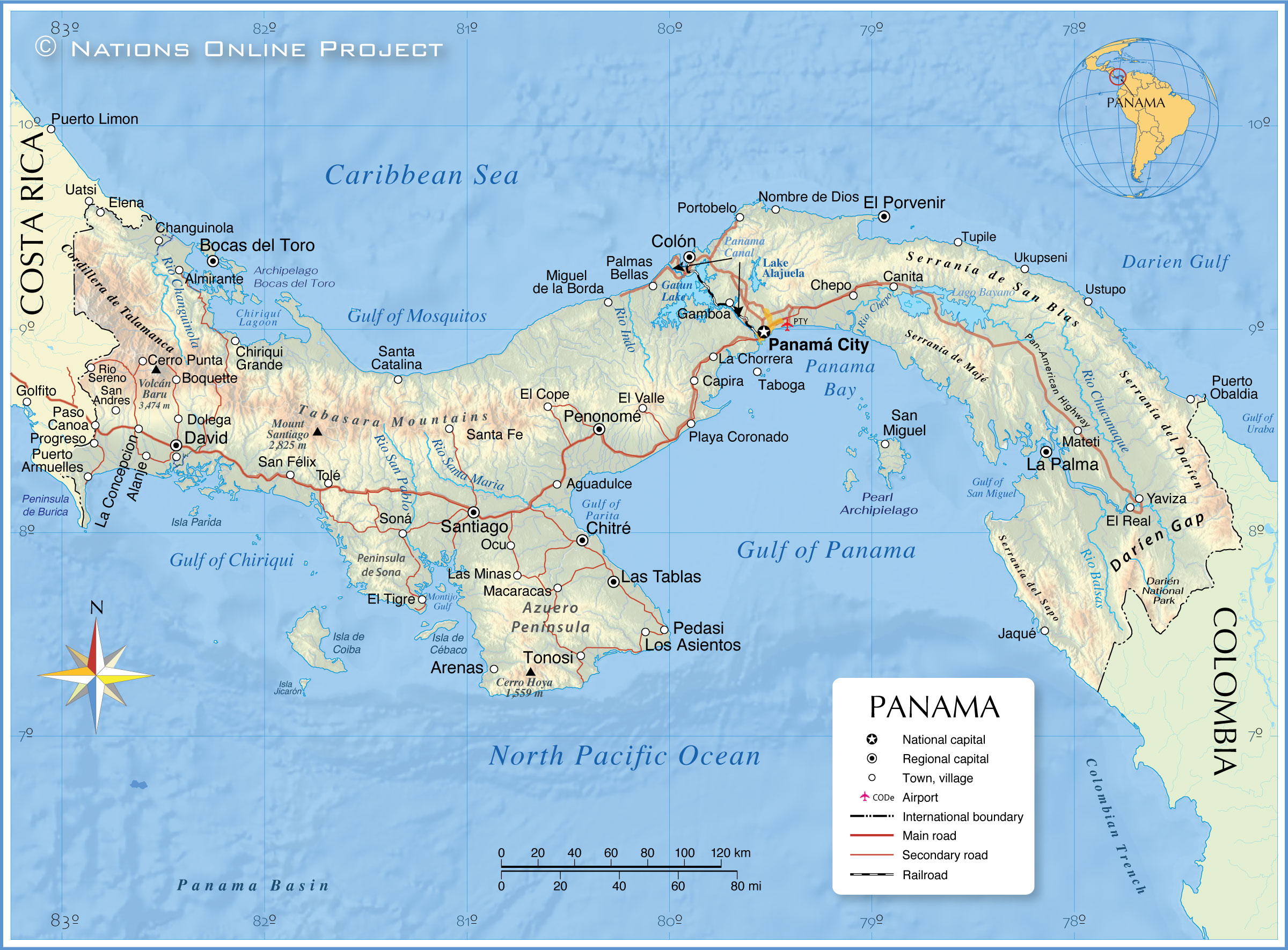
 You are free to use the above map for educational and non-profit purposes; if you publish it online or in print, you need to credit the Nations Online Project as the source.

 Tectonic