Advertising

Cuba Flag detail

Map of Cuba


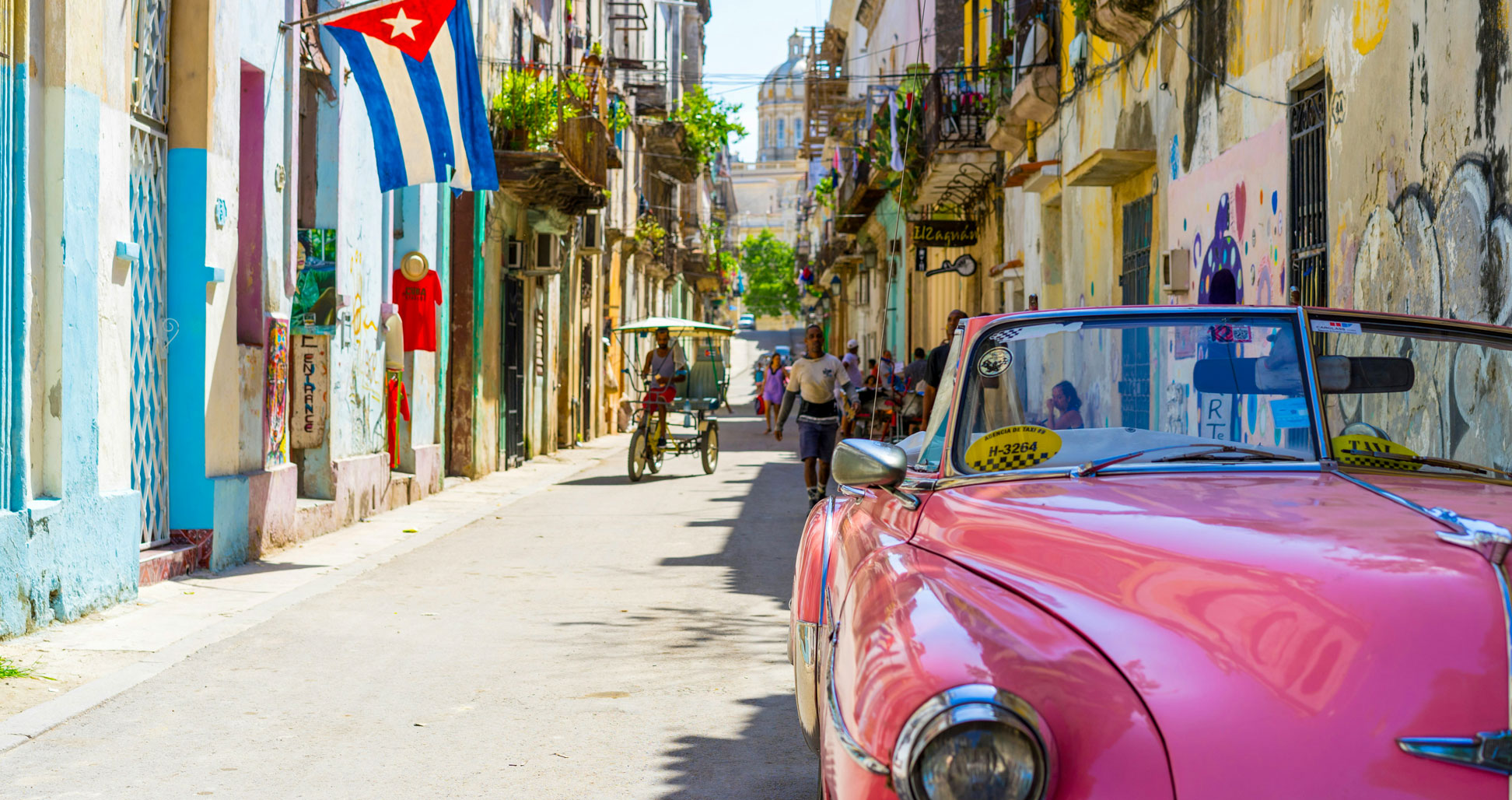
In the historic center of Havana, Cuba's capital city.
In the historic center of Havana, Cuba's capital and largest city. It is the country's main port and commercial and cultural center.
Image: Alexander Kunze

About Cuba


Cuba Flag
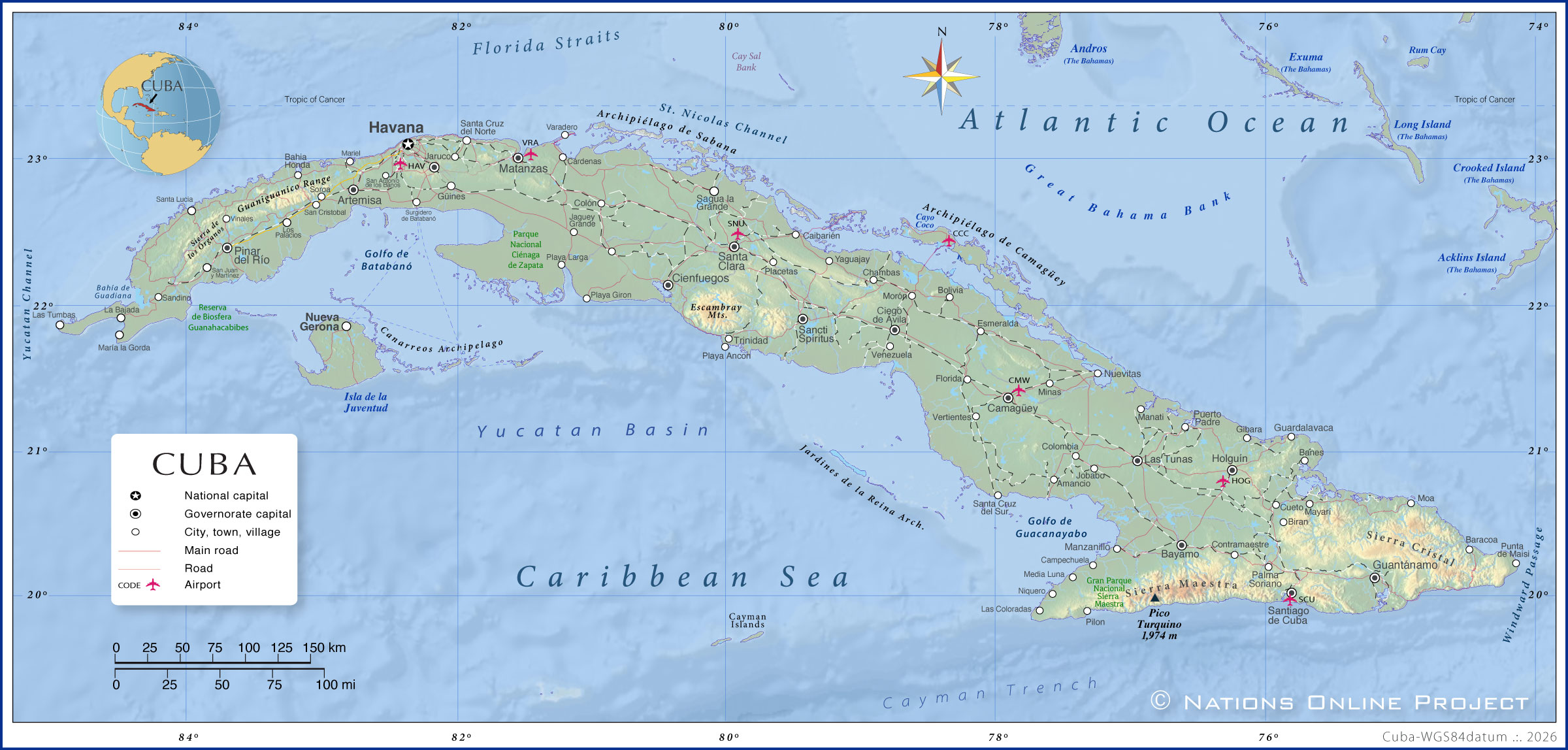
The map shows Cuba, an island nation in the Caribbean. The largest island in the Greater Antilles is situated in the western West Indies, south of Florida and The Bahamas, north of the Caribbean Sea with Jamaica and the Cayman Islands. Cuba shares maritime borders with The Bahamas, Haiti, Honduras, Jamaica, Mexico, and the United States.

It occupies an area of about 110,000 km², compared, it is about the size of Bulgaria, or slightly smaller than the U.S. state of Pennsylvania.

The island nation has a population of about 10.9 million people (in 2026); the capital is Havana (Habana); official language is Spanish.
Despite the government's officially atheist stance, Christianity is the most widespread religion in Cuba, with Catholicism as its largest denomination.

Update

2026 Cuban Crisis
The country's freedom is threatened again by the US. Based on reports from early 2026, the relationship between Cuba and the United States has escalated into a significant crisis, with the Trump administration actively pursuing a policy of intense economic pressure and regime change. In March 2026, sitting U.S. president Trump said: that he can do 'anything I want' with Cuba, saying ‌he expected to have the "honor" of "taking Cuba in some form."

The Oil Siege
In early 2026, the Trump administration initiated what The New York Times described as the first truly effective blockade of Cuba since 1962. By threatening sanctions and tariffs on any country exporting oil to the island (notably hitting Mexican state-owned Pemex), the U.S. has effectively choked off Cuba's energy supply. [The New York Times] [The Guardian]

The impact on the Cuban population has been catastrophic, moving beyond mere "inconvenience" into a full-scale humanitarian emergency. The US blockade under Trump triggered a healthcare emergency and a daily struggle for water and food.
Cuba's electricity grid collapse on March 16, 2026, wasn't just a blackout; it was a total "disconnection" that has happened three times in the last four months. The effect of no fuel and electricity: total darkness, paralyzed education and economic stagnation, to name only some.


Map of Cuba


Map of Cuba Map of Cuba

The map shows Cuba with surrounding islands and countries, the location of the national capital Havana, major cities, highways, railroads, and main airports.

You are free to use the above map for educational and similar purposes; if you publish it online or in print, you need to credit the Nations Online Project as the source.


More about Cuba

Location and Structure

Cuba is the largest island of the Greater Antilles, an archipelago in the Caribbean, situated south of Florida and The Bahams and to the west of Hispaniola (home to Haiti and the Dominican Republic); it includes, besides the the main island, the Isla de la Juventud, the Archipiélago de Sabana and the Archipiélago de Camagüey, plus about 4,000 cays and islets—forming a long, laid-back arc about 1,250 km from sunrise to sunset.

Cuba is a lower-middle-income island nation with a state-dominated economy. Services account for about 74.6% of GDP, but low wages, limited growth, and recurring shortages of food, fuel, and medicine persist. An US embargo, largely in place since the 1960s, severely restricts Cuba's access to basic needs. Under US pressure, life in Cuba grinds to a halt in 2026. [CNN]
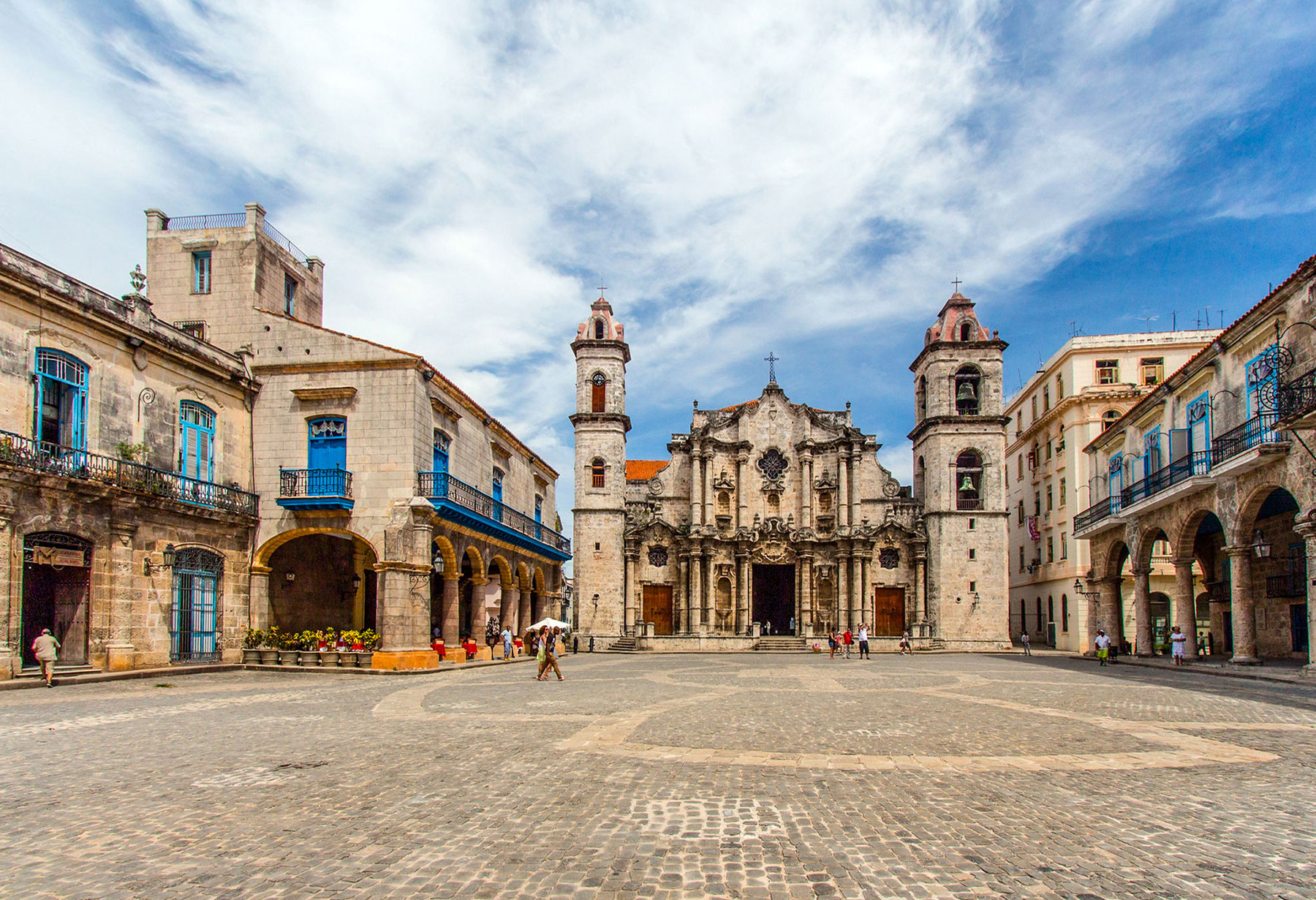


Catedral de San Cristóbal, Habana Vieja, Old Havana, Cuba
The Catedral de San Cristóbal, also known as Havana Cathedral is located on the Plaza de la Catedral on Calle Empedrado in Habana Vieja (Old Havana), the historic center of the city of Havana, the capital of Cuba.
Photo: James Berridge


Administrative Divisions of Cuba:


Cuba is divided into fourteen provinces and one special municipality (Isla de la Juventud).

Cuba's provinces from west to east:


1. Pinar del Río

The westernmost province of Cuba is known for its lush valleys and tobacco plantations that produce the island's finest cigars. The Viñales Valley a UNESCO World Heritage Site, is famous for its mogotes, dome-like steep limestone hills rising from fertile plains.


2. La Habana (Havana)

Encircling the capital, this province surrounds the city of Havana and includes suburban and agricultural areas. It provides much of the fresh produce and dairy that feed the metropolis.


3. Ciudad de La Habana (Havana)

The city of Havana was a province-level entity until 2011 and covered the city proper of Cuba's capital. The city is the island's political, cultural, and economic center; renowned for its colonial architecture, vintage cars, music, and its seafront boulevard, the Malecón.
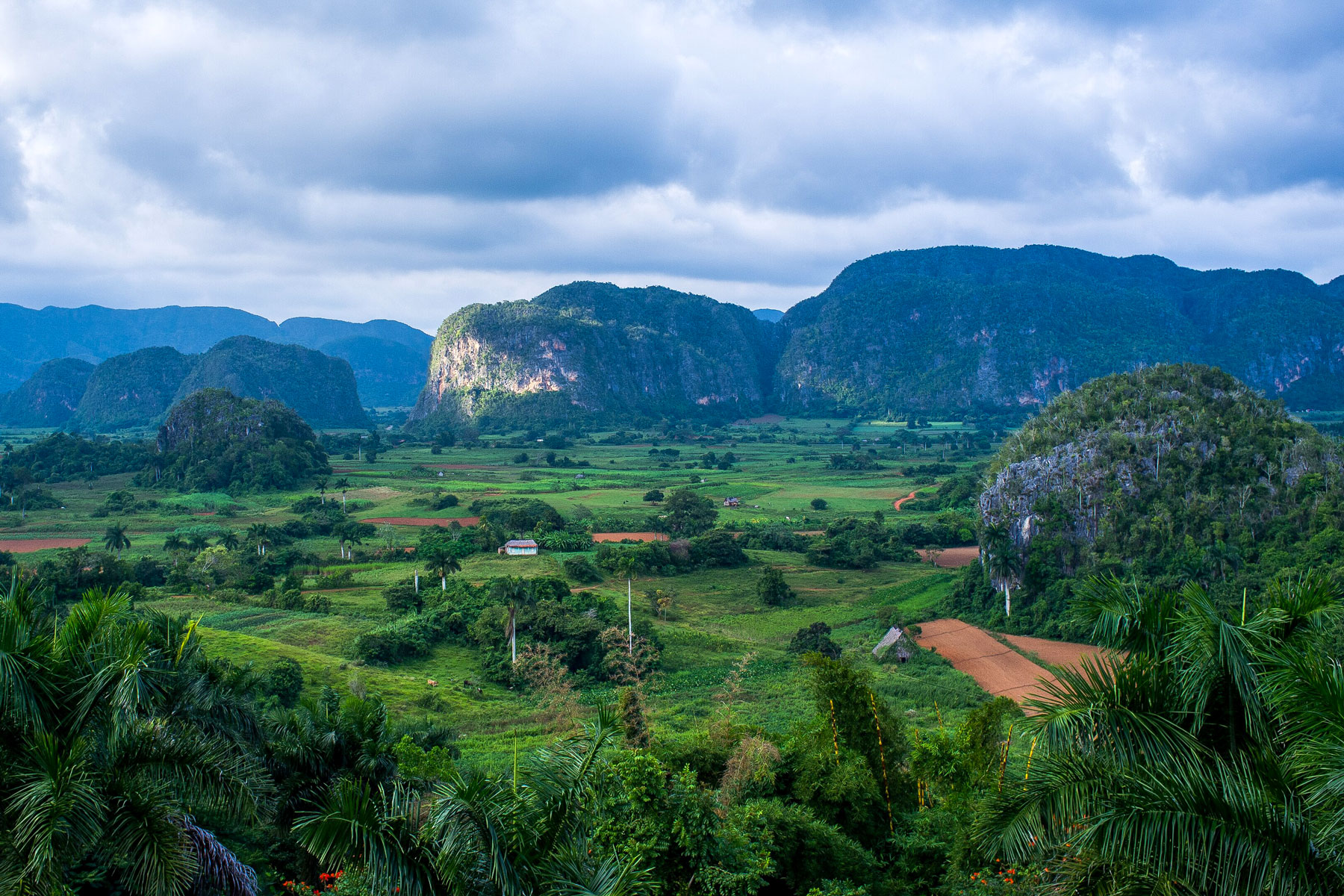

Landscape of the Valle de Viñales, Cuba
View of the landscape of the Valle de Viñales with its typical mogotes, the towering karst hills. The valley in the Pinar del Río province of Cuba is a UNESCO World Heritage Site.
Photo: Severin.stalder


4. Matanzas

The second-largest province in Cuba is located in the west-central part of the island. The capital city of the same name is located on the north coast of Cuba and is known as the "City of Bridges." The province is home to Varadero, one of the Caribbean's premier beach resorts, and the vast Zapata Swamp, a rich wetland biosphere reserve.


5. Cienfuegos

The province on Cuba's southern coast is known as the "Pearl of the South" for its charming capital of the same name. The city is centered on a deep natural bay The Urban Historic Centre of Cienfuegos is a UNESCO World Heritage site. , this province's capital — "The Pearl of the South" — features French-influenced architecture and a UNESCO-listed historic center. Its port supports sugar, coffee, and citrus exports.


6. Villa Clara

Located near the geographic center of Cuba, the province is known for its sugar production (it is the second-largest sugarcane producer in Cuba). Its capital city Santa Clara, is a key tourist destination, primarily for the Che Guevara Mausoleum. During the Cuban Revolution, in December 1958, rebel forces led by Che Guevara captured the city of Santa Clara from the government of Fulgencio Batista.


The city of Trinidad in Sancti Spíritus province
The city of Trinidad in Sancti Spíritus province is a well-preserved colonial town and today a UNESCO World Heritage Site.
Photo: serena_tang


7. Sancti Spíritus

Sancti Spíritus province stretches from the Escambray Mountains to the Caribbean Sea. It is one of Cuba's oldest colonial regions, featuring the well-preserved town of Trinidad. Trinidad and the Valley de los Ingenios is since 1988 a UNESCO World Heritage Site.


8. Ciego de Ávila

Ciego de Ávila is a mainly agricultural province producing sugarcane, pineapples, and citrus. Off its northern coast lies Cayo Coco, part of the Jardines del Rey archipelago, known for white sands and turquoise waters.


9. Camagüey

Cuba's largest province by area, features vast cattle ranches and the maze-like capital Camagüey, built to deter pirate attacks. The region blends colonial charm with a strong ranching tradition.


10. Las Tunas

Las Tunas, often called "Oriente", is an agricultural province known for sugarcane, livestock, and folk culture. Its capital, Victoria de Las Tunas. Because of its natural beauty, Las Tunas is called the "Balcony of the Cuban East."


San Francisco church, Camagüey, Cuba.
San Francisco church north east from Hospital de San Juan de Dios in Camagüey.
Photo: Frank Kehren


11. Granma

Granma Province is named after the yacht Granma, which carried Fidel Castro and his Revolutionaries from Mexico to Cuba in 1956. The province is central to Cuba's revolutionary history. The Sierra Maestra rises here, and its capital, Bayamo, is one of the country's oldest cities.


12. Holguín

Holguín is a diverse province of hills, beaches, and fertile plains. Holguín city is called "The City of Parks," while the coastal resort of Guardalavaca attracts international visitors.


13. Santiago de Cuba

The province Santiago de Cuba is known for its Afro-Cuban cultural heritage, music traditions, and the Sierra Maestra mountain range. Its capital with the same name, is Cuba's second-largest city and known as the cradle of the revolution.


14. Guantánamo

The easternmost province is characterized by rugged mountains and semi-arid plains. Guantánamo is known for its coffee plantations and for the U.S. Naval Base at Guantánamo Bay. It is the oldest U.S. overseas military installation, established in 1903. The U.S. government has maintained a controversial detention camp (Camp Delta) at Guantánamo Bay since the aftermath of the September 11, 2001 attacks.

Update: The notorious detention camp remains open in 2026, it is largely inactive compared to its peak, with only a small number of detainees, and the site has been discussed for potential reuse for migrant detention.


Transportation

Railway

The Central Railway (Ferrocarril Central) is the backbone of Cuba's rail transport. The 1,024 km line connecting Havana to Guantánamo. The route between Havana and Santiago de Cuba is the most important section for freight and passenger transport on the island.


Airports

Cuba's major airports are:


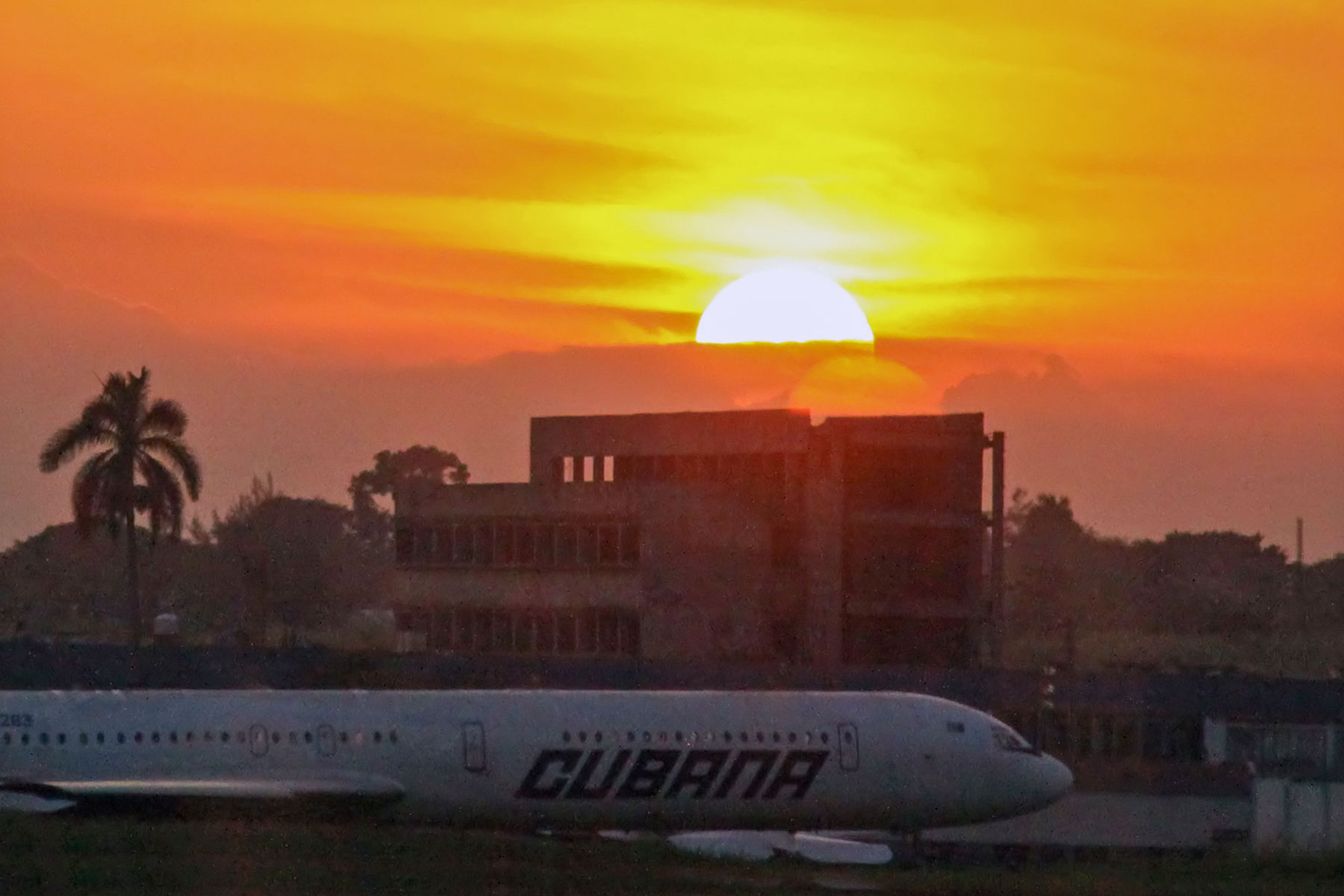
Sunset at Havana airport, with Air Cubana plane
Sunset at Havana airport.
Photo: Tony Hisgett


José Martí International (IATA code: HAV)
The airport south of Havana, is Cuba's main international aviation hub.

Juan Gualberto Gómez (IATA code: VRA)
The airport near Matanzas is the gateway to Varadero's beach resorts; it handles high-volume charter and tourist flights.

Abel Santamaría Airport (IATA code: SNU)
Abel Santamaría Airport serves central Cuba; it is the entry point for Cayo Santa María and inland regions.

Ignacio Agramonte International Airport (IATA code: CMW)
Camagüey's airport connects eastern-central Cuba and serves as a regional hub with regular diaspora traffic.

Antonio Maceo Airport (IATA code: SCU)
Santiago de Cuba International Airport serves eastern Cuba's largest city; it handles regional and some international destinations.

Frank País Airport (IATA code: HOG)
A small military-civilian hybrid airport serving Holguín, capital of the province with the same name; it's the tourist gateway to Holguín province and the "Guardalavaca" resort region.

Jardines del Rey Airport (IATA code: CCC)
Purpose-built for resort islands (Cayo Coco, Cayo Guillermo); mostly charter flights.


Cuba Photo Gallery


Matanzas Bay, Matanzas, Cuba

Matanzas Bay


Matanzas, the capital of the province with the same name, is situated between Havana and Varadero, aka Playa Azul, the world-famous resort towns with its iconic beaches.

Matanzas, the old port city, is built around a large, scenic bay where three rivers meet.

Image: Andres Bertens


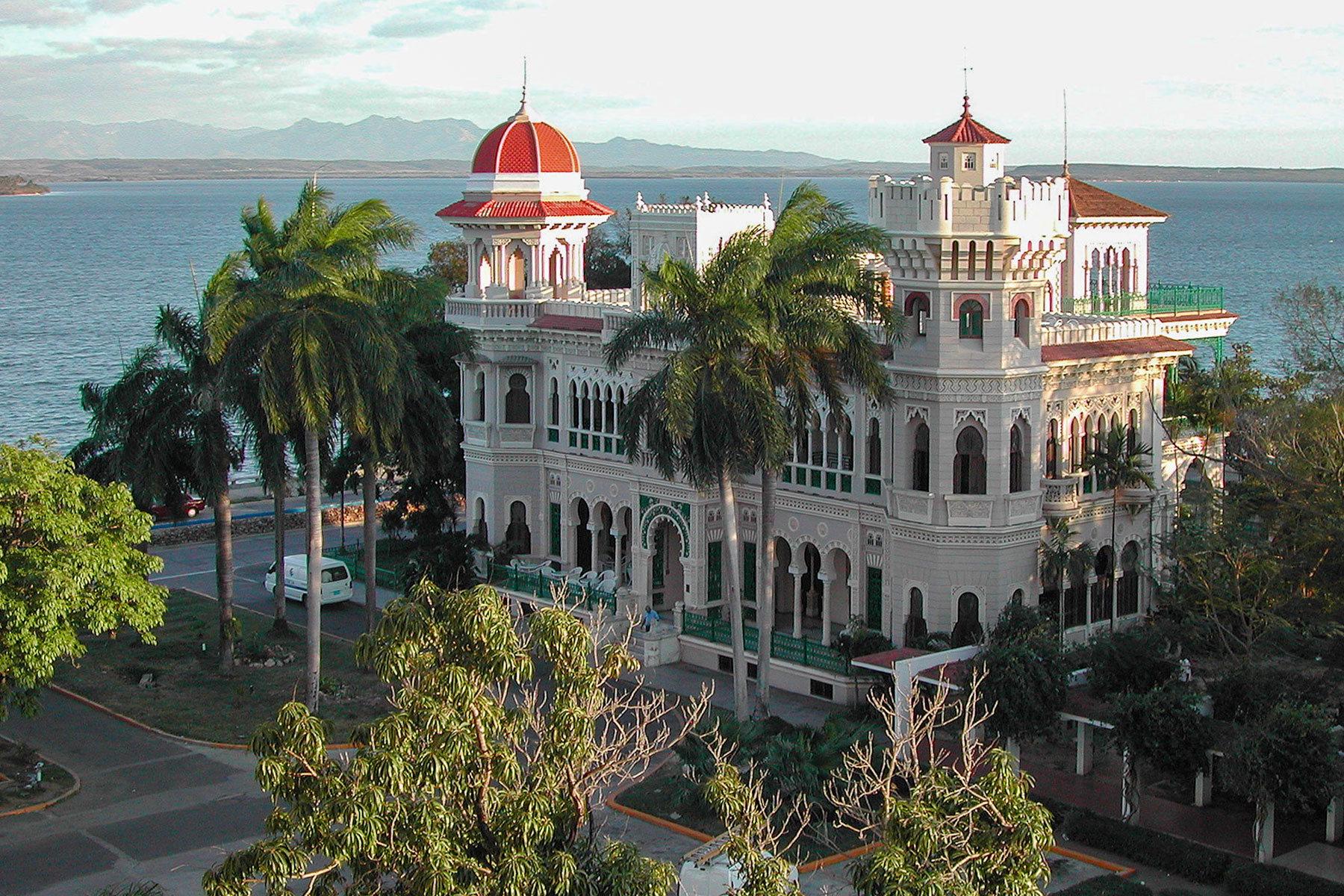
Palacio del Valle, Cienfuegos, Cuba

Palacio del Valle, Punta Gorda


The Palacio del Valle is a historic villa in Cienfuegos, built in a Moorish Revival style in the beginning of the 19th century. Today, it is an upscale hotel.

Image: Dieter Mueller

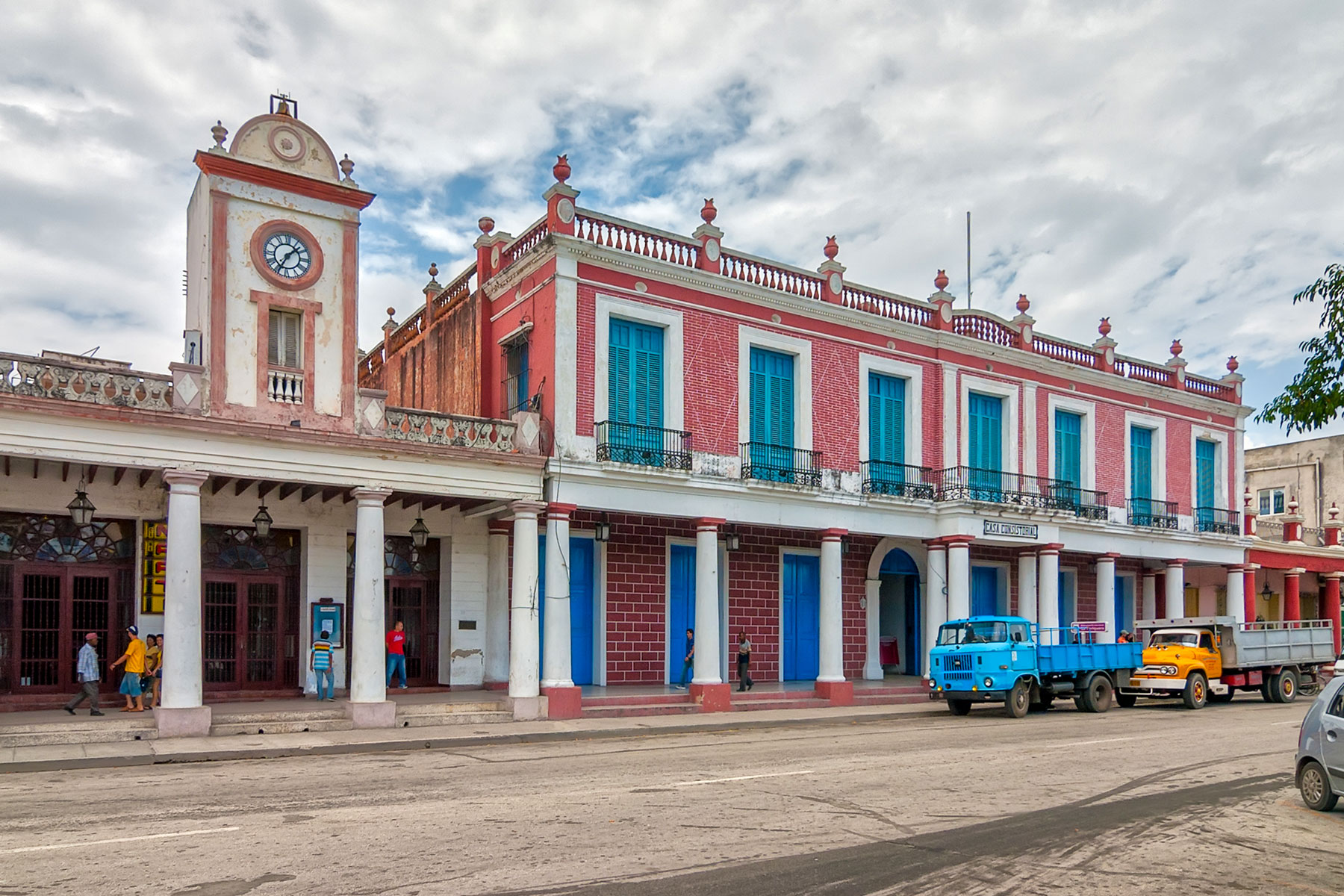
Holguín city hall

Holguín city hall


Holguín, the capital of Holguín province, is known as the "City of Parks"; it is the fourth-largest city in the country. The province is a popular tourism destination offering stunning beaches, such as Guardalavaca and Playa Pesquero.

Image: Anton Zelenov


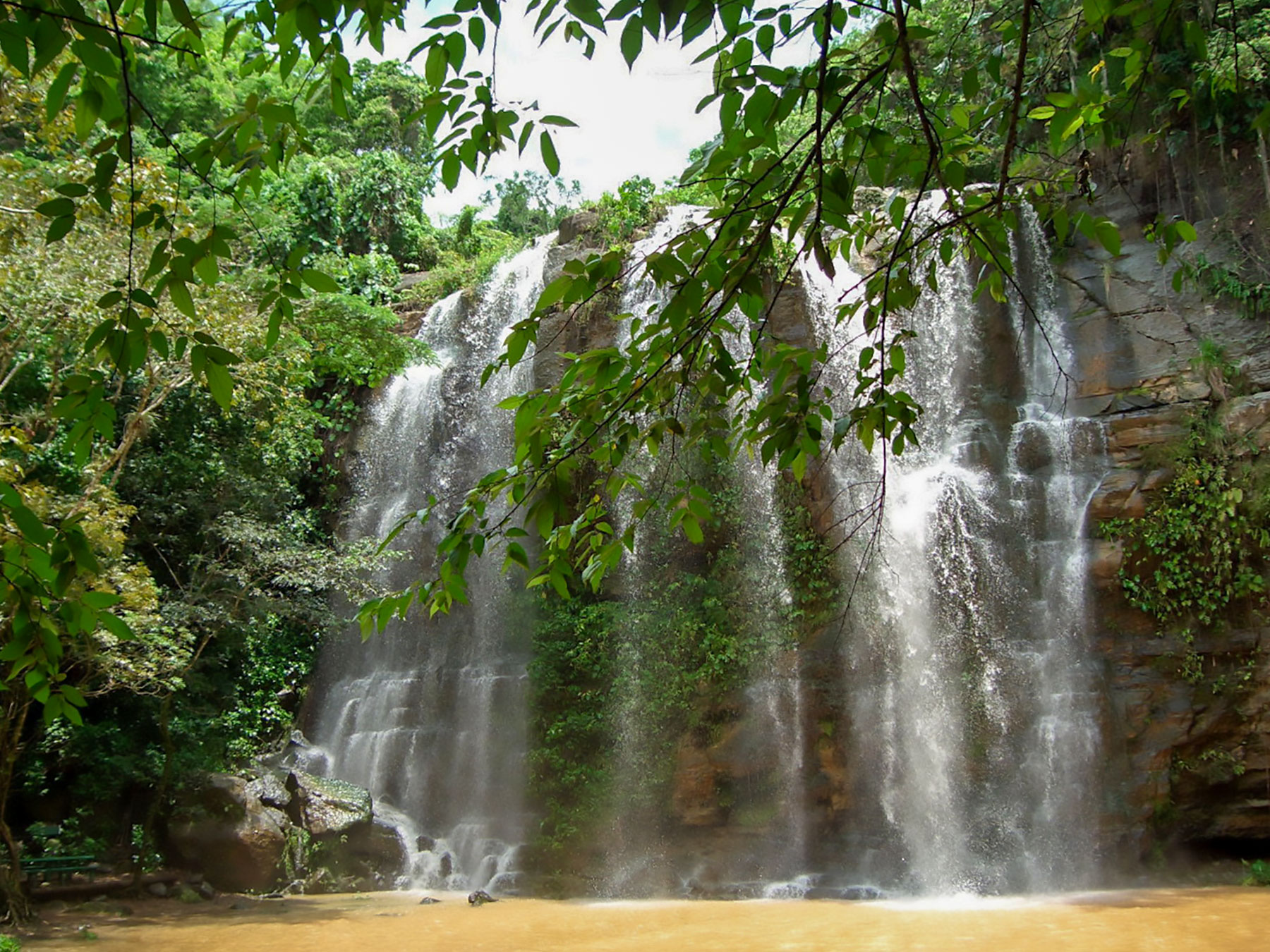
Waterfall in Granma National Park, Cuba

Waterfall in Granma National Park


The Desembarco del Granma National Park is a UNESCO World Heritage site in southwestern Cuba (Niquero/Pilón), famous for its spectacular limestone marine terraces and great biodiversity. The park is situated in the southwestern Cuba, on the Cabo Cruz peninsula at the western end of the Sierra Maestra.

Image: Chris


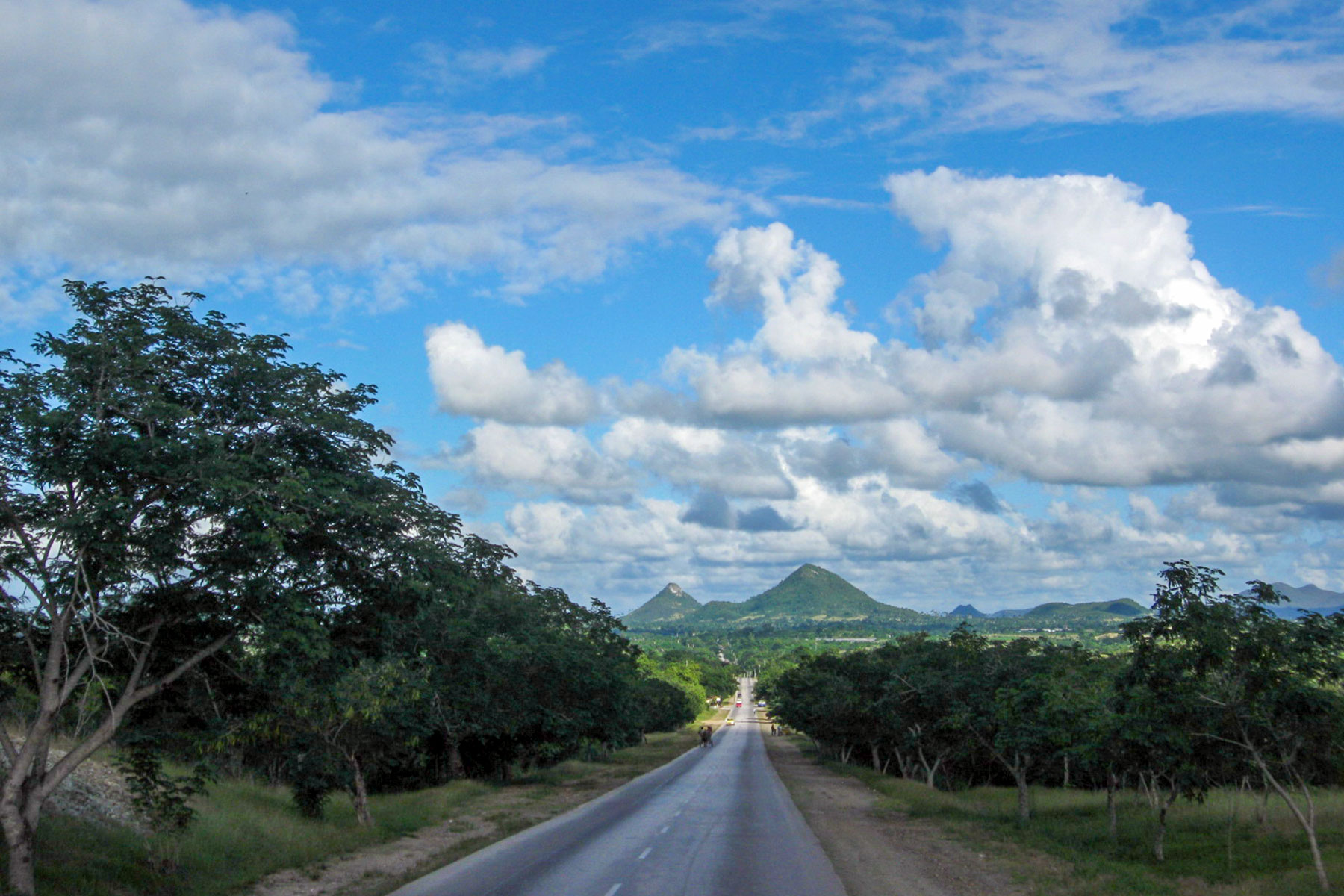
Road to Guardalavaca

Road to Guardalavaca


The road to Guardalavaca in the Holguin province of Cuba. Guardalavaca is a tourist destination for locals and tourists, known for its white sandy beaches and tropical climate.

Image: Yfrojas


Museum of the Revolution in Old Havana, Cuba.

Museum of the Revolution


The Museum of the Revolution in in the Old Havana, was originally the presidential palace. The building became the Museum of the Revolution after the Cuban Revolution (1952 to 1959). The museum's exhibits are mainly devoted to the period of the revolutionary war of the 1950s.

Image: Jorbasa

Castillo del Morro in Santiago de Cuba.

Castillo de San Pedro de la Roca


The Castillo del Morro (Castillo de San Pedro de la Roca) is a 17th century Spanish fortification, built on the coast against pirates. The castell is located in Santiago de Cuba, the second-largest city in the country.

Image: Peter Glogg


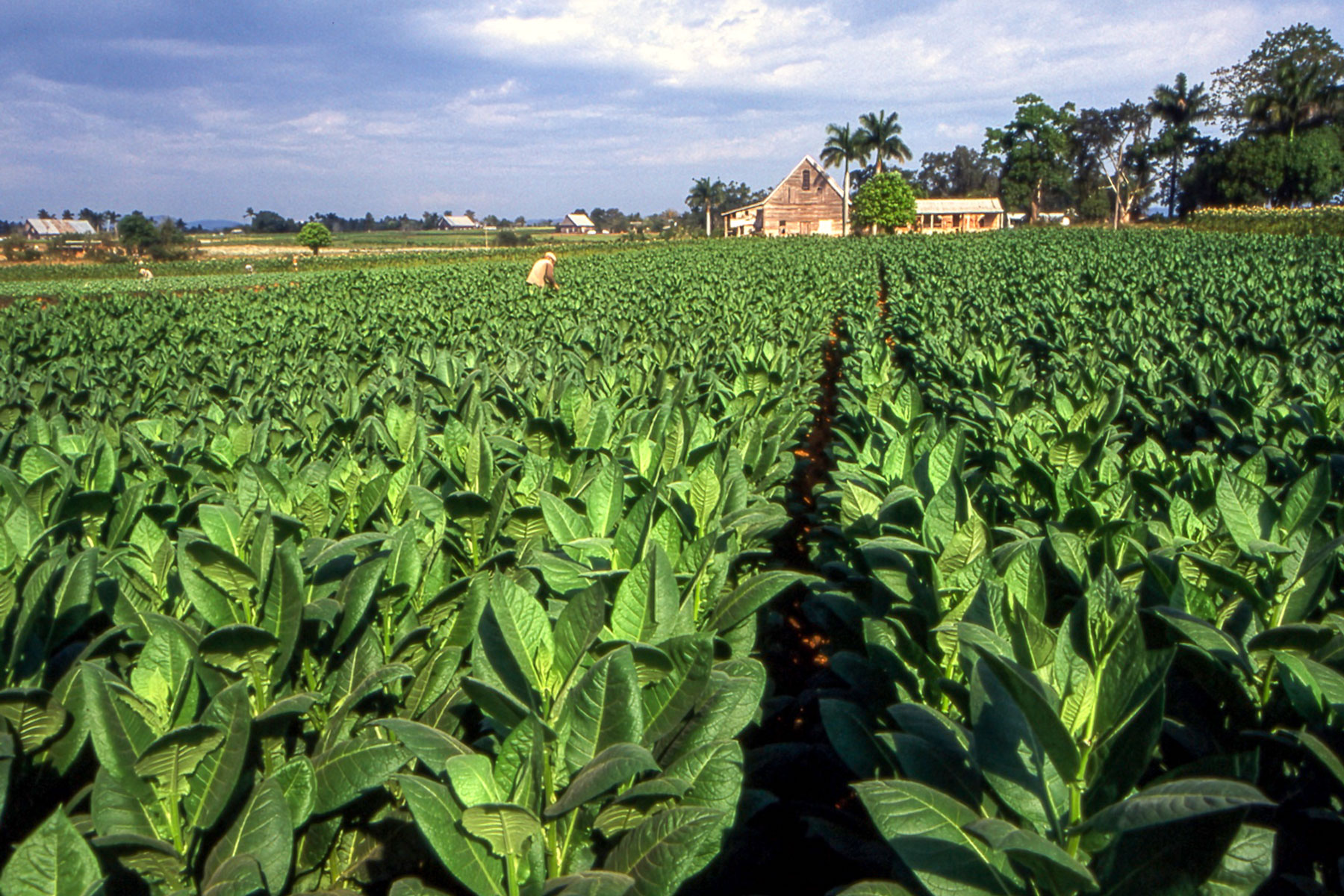
Tobacco plantation

Tobacco plantation


Tobacco plays a significant role in Cuba's economy and identity; it is both, a major export crop and a world-famous cultural symbol.
Premium Cuban cigars alone generate more than US$200 million a year, providing the country with urgently needed foreign currency.

Image: Kotoviski

The map shows the location of following cities, towns:


Antilla, Artemisa, Baracoa, Bayamo, Cabañas, Caibarién, Camagüey, Cárdenas, Ciego de Ávila, Cienfuegos, Colón, Corralillo, Esmeralda, Florida, Gibara, Guane, Guantánamo, Habana, Holguín, Júcaro, La Esperanza, La Fe, La Isabela, Los Arroyos, Manzanillo, Martí, Matanzas, Moa, Morón, Niquero, Nueva Gerona, Nuevitas, Pedro Betancourt, Pinar del Río, Playa Girón, San Cristóbal, Sancti Spíritus, Santa Clara, Santa Cruz del Sur, Santa Fe, Santiago de Cuba, Surgidero de Batabano, Trinidad, Tunas de Zaza, and Victoria de las Tuna.


Advertisements:


Weather Conditions Havana:

HAVANA WEATHER


Advertisements:


Maps of other Caribbean Islands:
Dominican Republic, Haiti Map, Hispaniola Map, Jamaica Map, Puerto Rico Map

Maps of Countries in Central America:
Belize Map, Costa Rica Map, El Salvador Map, Guatemala Map, Honduras, Mexico Map, Nicaragua Map, Panama Map